

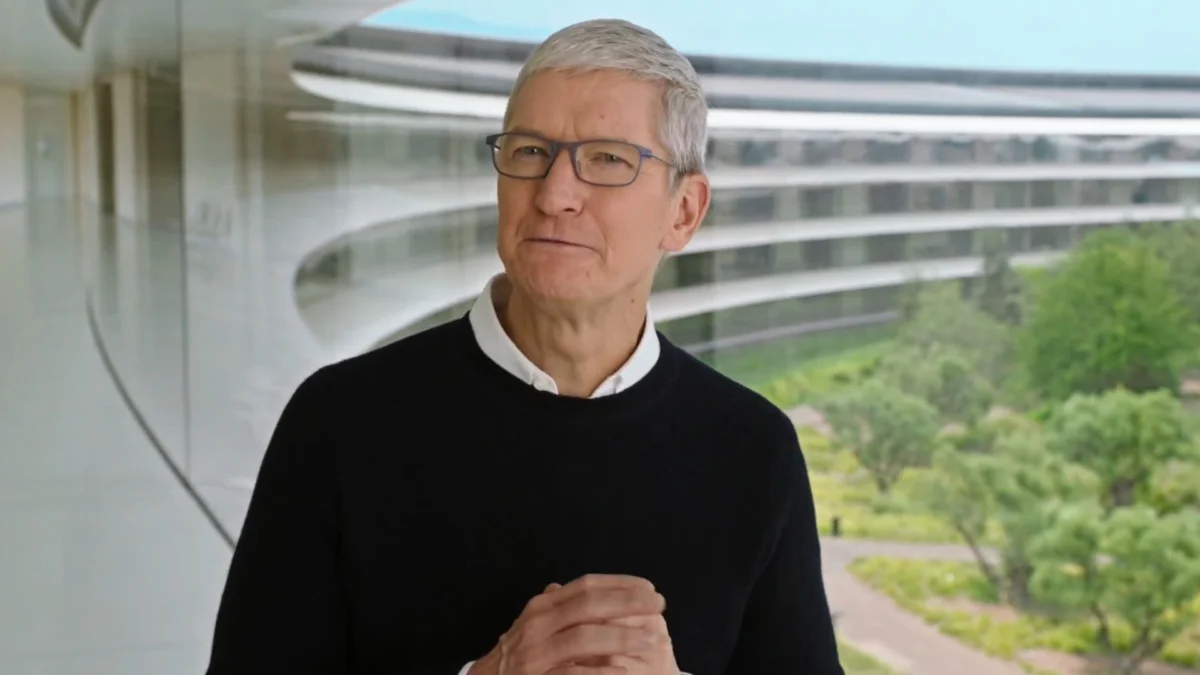
In a move that signals the end of one of the most prolific eras in the history of American capitalism, Apple Inc. has officially announced that Tim Cook will step down from his position as Chief Executive Officer. This transition, which concludes a decade and a half of unprecedented financial growth and cultural influence, will see the mantle of leadership pass to John Ternus, the company’s current Senior Vice President of Hardware Engineering. While the announcement has sent ripples through the global technology sector, the transition is designed for maximum stability, with Ternus scheduled to formally assume the role on September 1, 2026. This multi-year horizon reflects Apple’s characteristic preference for meticulous planning and institutional continuity, ensuring that the world’s most valuable company remains on a steady trajectory during a period of significant technological flux.
Tim Cook’s departure marks the closing of a chapter that many analysts once thought would be impossible to write. When Cook took the helm in August 2011, just weeks before the passing of co-founder Steve Jobs, he faced a wall of skepticism. Critics questioned whether a leader known for supply chain logistics and operational efficiency could maintain the creative spark that defined the Macintosh and iPhone era. Cook responded by transforming Apple from a premium hardware manufacturer into a sprawling, multi-faceted ecosystem. Under his stewardship, Apple’s market capitalization surged from roughly $350 billion to over $3 trillion, a feat achieved through the aggressive expansion of the Services division, the perfection of the Apple Watch, and a pivot toward environmental and social responsibility.
The selection of John Ternus as Cook’s successor is a strategic choice that emphasizes the company’s core identity as a hardware innovator. Ternus, who joined Apple’s product design team in 2001, has been a central figure in the Cupertino hierarchy for over two decades. His rise through the ranks has been defined by his ability to bridge the gap between high-level engineering and consumer-facing design. Since 2021, as the Senior Vice President of Hardware Engineering, Ternus has overseen the development of every major hardware product in the Apple catalog, including the iPhone, iPad, and the revolutionary transition of the Mac lineup to Apple Silicon.
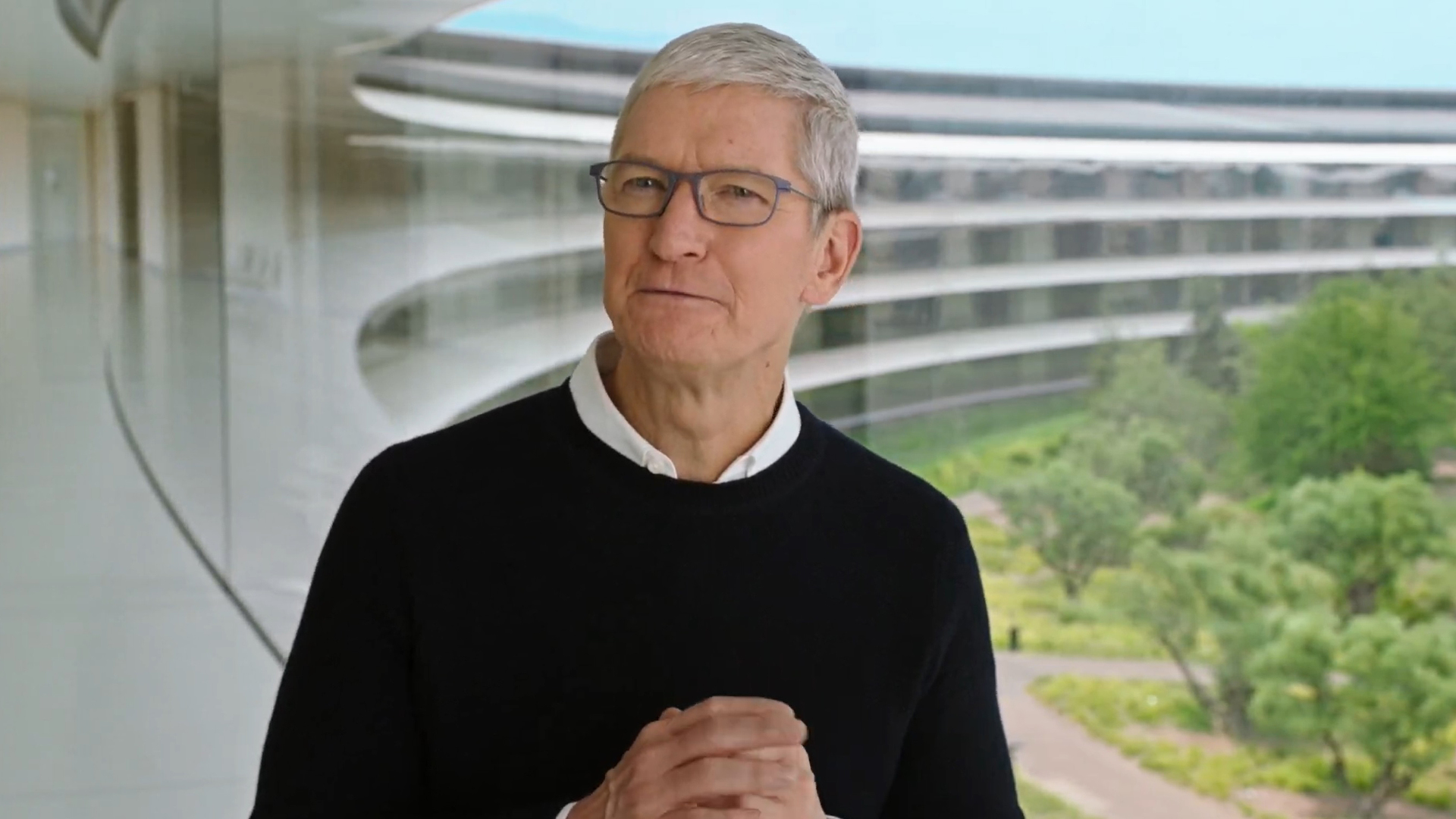
It is this transition to in-house processors—the M-series chips—that perhaps best illustrates why Ternus was chosen for the top job. The move to Apple Silicon was a generational shift that required a delicate balance of technical prowess and long-term strategic vision. It allowed Apple to reclaim control over its hardware performance, leading to a resurgence in the Mac’s popularity and setting a new industry standard for efficiency. Ternus was the public face of this transition, often appearing in keynote presentations to explain the intricate marriage of software and silicon. His deep understanding of the "stack"—from the transistor level to the final industrial design—positions him as a leader who understands the fundamental mechanics of what makes an Apple product unique.
The long lead time until September 2026 suggests that the Apple Board of Directors is prioritizing a "soft landing." This two-year window allows Cook to oversee the maturation of Apple’s newest product categories, most notably the Vision Pro spatial computing platform and the integration of "Apple Intelligence" across the ecosystem. It also provides Ternus with a period of intensified mentorship and public exposure. While Ternus is well-liked within the company and respected by the engineering corps, the role of CEO requires a different set of skills: managing global geopolitical tensions, navigating increasingly aggressive antitrust scrutiny in the European Union and the United States, and maintaining investor confidence in a post-growth smartphone market.
Industry observers note that Ternus’s appointment reflects a broader trend within Apple to promote from within, favoring those who have spent their formative years steeped in the company’s unique culture. Ternus is often described as a "steady hand"—a leader who lacks the mercurial temperament of the Jobs era but possesses a refined version of Cook’s operational discipline combined with a deep, hands-on passion for engineering. This profile is intended to reassure Wall Street that the "Apple Way"—a philosophy of vertical integration and obsessive attention to detail—will remain the guiding light of the company.
However, the challenges Ternus will inherit in 2026 are formidable. The smartphone market, once a fountain of endless growth, has reached a state of maturity where incremental updates are the norm rather than the exception. To maintain its dominance, Apple must find its next "North Star." Ternus will be tasked with proving that spatial computing is not just a niche enthusiast tool but the future of personal interaction. Furthermore, he must navigate the complex shift toward artificial intelligence. While Apple has recently announced its foray into generative AI with a focus on privacy and on-device processing, the company finds itself in a high-stakes arms race with rivals like Google, Microsoft, and OpenAI. Ternus’s engineering background will be critical as Apple attempts to redefine the user experience through the lens of machine learning without compromising its commitment to user data security.

Beyond product development, the Ternus era will likely be defined by how Apple handles its global footprint. The company is currently in the midst of a slow but deliberate diversification of its supply chain, moving production capacity into India and Southeast Asia to mitigate risks associated with geopolitical friction. Cook’s greatest legacy was the creation of the most efficient supply chain in human history; Ternus must now ensure that this chain is resilient enough to survive a fragmenting global order. Simultaneously, he must defend the App Store’s business model against a global wave of "gatekeeper" regulations that threaten to erode the company’s lucrative Services revenue.
The reaction from within Apple Park is reportedly one of cautious optimism. Ternus is known for a collaborative leadership style, a contrast to the silos that sometimes characterized the company’s past. By elevating a hardware engineer to the role of CEO, Apple is signaling that despite its massive growth in services and software, it still views itself primarily as a maker of world-class physical objects. This "hardware-first" mentality is what differentiates Apple from the pure-play software giants of Silicon Valley, and Ternus is the embodiment of that ethos.
As Tim Cook prepares for his final two years at the helm, his focus will likely shift toward cementing his legacy as the man who made Apple an indispensable part of modern life. His tenure has been defined by a shift from the "what" of technology to the "why," emphasizing privacy as a fundamental human right and pushing the company toward a carbon-neutral future. When he finally hands the keys to Ternus in 2026, he will be leaving behind a company that is vastly larger, more complex, and more profitable than the one he inherited.
For John Ternus, the countdown to September 1, 2026, represents a period of immense preparation. He is not merely stepping into a job; he is stepping into a role that carries the weight of global economic expectations and the creative hopes of millions of users. The transition from Hardware SVP to CEO is a leap from managing products to managing a global icon. If the success of the M-series chips and the recent iPad Pro redesign are any indication, Ternus has the technical acumen to lead. The coming years will determine if he possesses the statesmanship and the visionary instinct to keep Apple at the center of the digital universe for the next generation. As the world watches Cupertino, the message is clear: the era of Cook is winding down, but the architecture for Apple’s future has already been drawn.
