
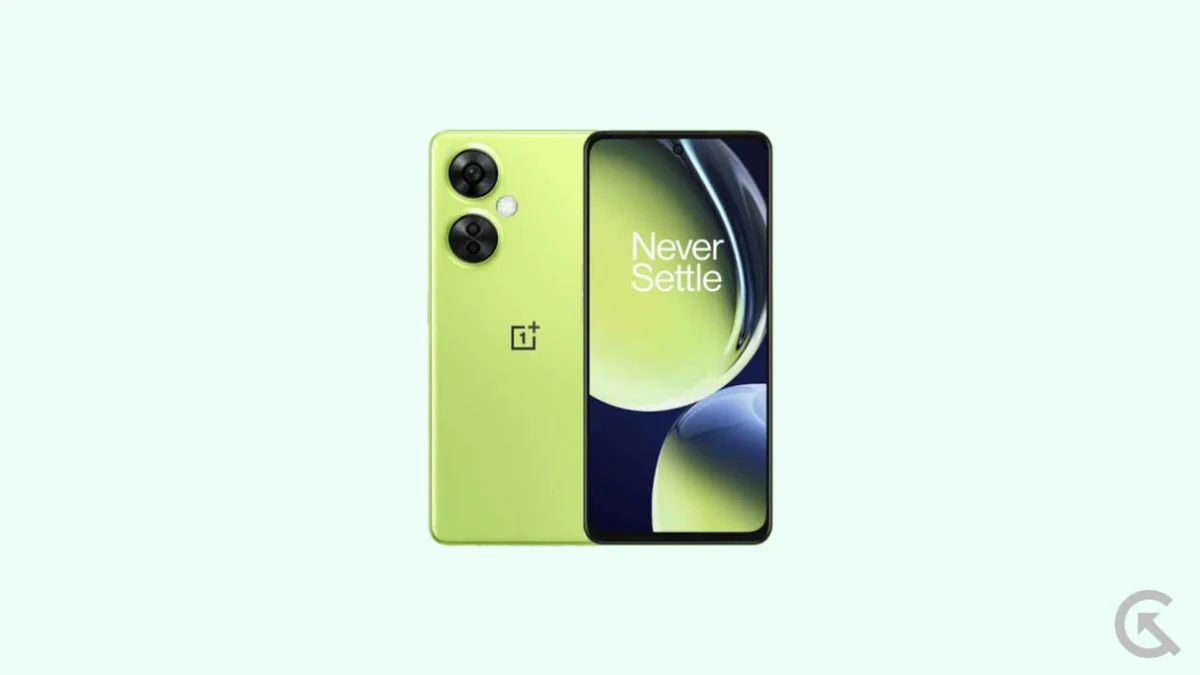
The OnePlus Nord CE 3 Lite 5G and its North American counterpart, the OnePlus Nord N30, represent a significant achievement in the mid-range smartphone sector, balancing cost-efficiency with a robust suite of hardware features. While these devices ship with OxygenOS, a highly capable skin based on Android, the underlying architecture of the Android Operating System remains an open-source endeavor. This inherent flexibility provides a gateway for a global community of independent developers to craft bespoke operating system images, commonly referred to as Custom ROMs. For enthusiasts seeking to transcend the limitations of factory-installed software, these third-party distributions offer a pathway to enhanced performance, extended longevity, and unparalleled aesthetic control.
To understand the appeal of custom firmware, one must first evaluate the hardware foundation of the Nord CE 3 Lite and Nord N30. These devices are built around a 6.72-inch full-HD+ LCD panel that supports a 120Hz refresh rate, ensuring fluid motion for both gaming and daily navigation. Under the hood, the Qualcomm Snapdragon 695 5G SoC serves as the engine, paired with 8GB of LPDDR4X RAM. This combination provides a stable platform for multitasking, though power users often find that software optimizations can further unlock the silicon’s potential. The imaging department is led by a high-resolution 108-megapixel primary sensor, supported by macro and depth modules, while a 5,000mAh battery with 67W SuperVOOC charging ensures the device remains powered through intensive use. Despite these impressive specifications, the stock software experience is often tethered to the manufacturer’s specific vision, which is where the world of Custom ROMs begins to shine.
The distinction between a Stock ROM and a Custom ROM is fundamental to the Android experience. When a consumer unboxes a new OnePlus device, they are greeted by the Stock ROM, also known as the official firmware. This version is curated by OnePlus and contains the proprietary OxygenOS interface, integrated carrier services, and a specific set of pre-installed applications. While stable, Stock ROMs are often criticized for "bloatware"—apps that cannot be easily uninstalled—and for a finite support window that may see the device stop receiving updates even while the hardware remains perfectly capable.
In contrast, a Custom ROM is a complete replacement for the factory operating system. Built from the Android Open Source Project (AOSP) or the LineageOS source code, these ROMs are developed by community contributors who strip away unnecessary manufacturer additions to create a leaner, faster environment. By replacing the stock kernel and system files, users can gain administrative "root" access, implement system-wide themes, and even install versions of Android that the manufacturer has not yet officially released for that specific hardware.
For the OnePlus Nord CE 3 Lite and Nord N30, the installation of any third-party firmware necessitates the use of a custom recovery environment, most notably TWRP (Team Win Recovery Project). TWRP acts as a sophisticated interface that allows users to wipe system partitions, flash zip files, and create full-system backups. Once this recovery is in place, the door opens to a diverse library of firmware options, each catering to different user priorities, from pure performance to visual flair.
At the forefront of the current development cycle is the emergence of Android 16-based builds. While Android 16 is the cutting edge of the ecosystem, it introduces the "Material 3 Expressive" design language. This evolution of Google’s design philosophy focuses on refining the user interface with more fluid animations, bolder typography, and more intuitive touch targets. For Nord N30 users, adopting an Android 16 custom build means experiencing the future of Android’s visual identity long before it reaches the mainstream market. This version emphasizes a dynamic UI that adapts to user interactions with greater sophistication than previous iterations.
![List of Best Custom ROM for OnePlus Nord CE 3 Lite / Nord N30 [Updated]](https://www.getdroidtips.com/wp-content/uploads/2023/04/OnePlus-Nord-CE-3-Lite-5G.jpg)
For those seeking a proven, stable daily driver, Android 14-based ROMs remain the most popular choice. Android 14, codenamed "Upside Down Cake," brought significant under-the-hood improvements to the Android ecosystem. These include a redesigned battery-saving logic that extends the endurance of the Nord’s 5,000mAh cell, a more versatile system share sheet, and the introduction of Ultra HDR support for media. Furthermore, Android 14’s focus on customization—such as AI-generated wallpapers and sophisticated lock screen adjustments—allows the Nord CE 3 Lite to feel like a premium flagship device.
Among the specific distributions available, LineageOS stands as the most venerable name in the community. As the spiritual successor to CyanogenMod, LineageOS focuses on transparency, security, and a "no-nonsense" approach to Android. The LineageOS 22 and 23 builds for the Nord CE 3 Lite (often referred to by the codename "larry") provide a clean, lightweight experience that closely mimics the behavior of a "Google Play Edition" device. It is particularly prized for its longevity, often providing security patches and version updates for years after the manufacturer has abandoned the device.
For users who admire the software experience of the Google Pixel series, PixelOS and Evolution X are the premier choices. PixelOS is an AOSP-based ROM that integrates Google’s proprietary features, such as the Pixel Launcher, exclusive fonts, and specific camera optimizations, directly into the firmware. The goal is to make the OnePlus hardware indistinguishable from a Google-branded phone in terms of software feel. Evolution X takes this a step further by combining the "Pixel feel" with a massive array of configuration options. It allows users to tweak every aspect of the status bar, notification shade, and hardware buttons, making it a favorite for those who enjoy "theming" their devices.
Power users who prioritize granular control often gravitate toward CrDroid OS. Based on a hybrid of AOSP and LineageOS, CrDroid is famous for its "crDroid Settings" menu, which houses hundreds of toggles for system behavior. Whether it is changing the way the CPU scales its frequency or adjusting the layout of the quick settings tiles, CrDroid offers a "kitchen sink" approach to features without sacrificing the speed of a lean system. Similarly, LunarisAOSP provides a curated balance, focusing on extreme smoothness and stability, ensuring that the 120Hz display of the Nord CE 3 Lite is utilized to its maximum potential without the micro-stutters that can sometimes plague heavy manufacturer skins.
The journey into custom firmware is not merely about aesthetics; it is about reclaiming ownership of the hardware. Manufacturers often use software to differentiate their budget lines from their flagships, sometimes artificially limiting features on mid-range phones. Custom ROMs break these barriers, allowing a Nord N30 user to enjoy the same software innovations found on the highest-end devices. Furthermore, the removal of background telemetry and manufacturer-specific tracking services often leads to improved privacy and better standby battery life.
As the development community continues to mature, the OnePlus Nord CE 3 Lite and Nord N30 remain at the heart of a vibrant modding scene. While the "Pixel Experience" ROM is currently marked as coming soon for these models, the existing wealth of options—from the stability of LineageOS to the cutting-edge features of Android 16—ensures that these devices will remain relevant and powerful for years to come. By choosing to explore these custom avenues, users can transform their mid-range OnePlus handset into a personalized, high-performance tool that truly reflects their individual needs and preferences. In the ever-evolving landscape of mobile technology, the ability to customize and optimize one’s device remains the ultimate expression of the Android platform’s open-source spirit.
