
The release of major Android operating system updates typically adheres to a structured, manufacturer-controlled rollout timeline, often prioritizing flagship devices. However, the dedicated Android development community frequently disrupts this schedule, and the Nothing Phone 3a / 3a Pro is the latest device to receive an early, albeit unofficial, taste of Google’s newest software, Android 16. Just weeks after Google initiated the rollout of Android 16 for its own Pixel line, developers have successfully compiled and ported preliminary AOSP (Android Open Source Project) builds, allowing users of the Nothing Phone 3a/Pro to bypass the official waiting period and inject modern performance and design refinements into their hardware.
This move is particularly significant for devices like the Nothing Phone 3a / 3a Pro, which, despite their strong specifications, will eventually face end-of-life support from the manufacturer. By adopting a custom ROM, users are effectively extending the functional lifespan of their device, ensuring continued access to the latest security protocols and user interface innovations that may never arrive through official channels. The process, while technical, is now highly streamlined, enabling experienced enthusiasts to transition their mid-range hardware into a cutting-edge software experience.
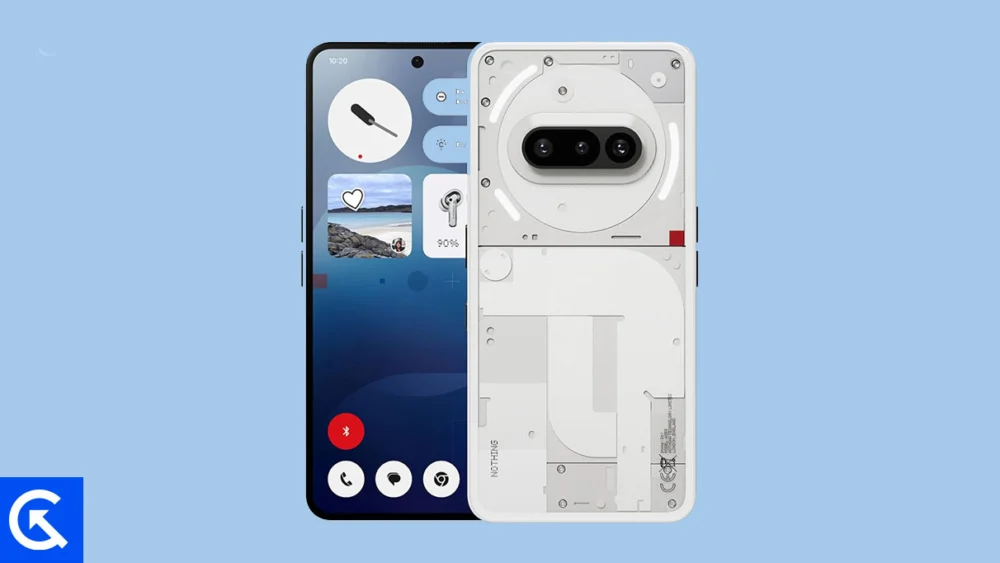
The Nothing Phone 3a, launched in March 2025, represents the brand’s refined approach to the mid-range market, emphasizing aesthetic purity and a unique visual identity. The device is built around a large 6.77-inch AMOLED display, featuring a fluid 120Hz refresh rate and HDR10+ certification, providing exceptional fidelity for media consumption. Its hallmark remains the transparent rear chassis, integrated with the three customizable LED light strips—the Glyph Interface—which serves dual purposes for notifications and utility lighting. Constructed with robust glass panels and IP64 ingress protection, the Phone 3a offers solid durability. Powering the native experience is the Snapdragon 7s Gen 3 chipset, which runs Nothing OS 4.0 atop Android 15, providing smooth day-to-day operation and reliable performance for moderate gaming demands.
![How to Install Android 16 on Nothing Phone 3a / 3a Pro [Download Link]](https://www.getdroidtips.com/wp-content/uploads/2025/12/Nothing-Phone-3a.jpg)
Photography capabilities remain a strong suit, positioning the Phone 3a favorably within its price bracket. It boasts a versatile triple camera configuration, anchored by a 50MP primary sensor equipped with Optical Image Stabilization (OIS), complemented by a dedicated 50MP 2x telephoto lens, and an ultrawide module. This combination delivers consistently high-quality images and stable 4K video recording. The device is supported by a substantial 5000mAh battery, enhanced by 50W fast charging capabilities, ensuring prolonged endurance and rapid recharge cycles. Overall, the Phone 3a’s balanced profile—prioritizing design, display quality, and a clean, refined user interface—makes it an ideal candidate for community-driven software longevity.
The impetus for this immediate porting effort is the compelling suite of upgrades introduced in Android 16, most notably the implementation of Material 3 Expressive. This is not a radical visual departure but rather a sophisticated evolution of Google’s design philosophy. Material 3 Expressive focuses on enhancing the user experience through subtle yet impactful systemic changes. It introduces smoother, more context-aware dynamic animations that reduce perceived latency and improve user flow. Furthermore, it incorporates larger touch targets and bolder, more legible typography, significantly enhancing accessibility and user interaction across various screen sizes and input methods.
While the foundation of Material Design 3, first established with Android 13, began to show signs of stagnation, Material 3 Expressive successfully revitalizes the interface. By prioritizing fluidity and polish, Google has ensured that the next iteration of Android feels contemporary without sacrificing the familiarity users have cultivated over several generations of the OS. Beyond these visible UI enhancements, Android 16 includes critical backend optimizations designed to boost system efficiency, refine memory management, and introduce updated security protocols, extending benefits to foldables, tablets, and conventional smartphone architectures alike.
The early availability of this AOSP port signifies a crucial technical achievement by the independent development community. Preliminary reports indicate a high level of stability, with core functions such as telephony, networking, display, and camera functionality operating correctly. While the current consensus suggests that "everything seems to be working fine," users must understand the nature of unofficial AOSP builds. These early ports prioritize core stability and the pure Android experience, meaning they may occasionally lack proprietary OEM drivers necessary for advanced features, such as specific camera processing algorithms or unique hardware integrations. In the event users encounter minor glitches or functional discrepancies, the community relies heavily on detailed bug reports, complete with system logs, to ensure the rapid iteration and improvement of the ROM.
![How to Install Android 16 on Nothing Phone 3a / 3a Pro [Download Link]](https://www.getdroidtips.com/wp-content/uploads/2025/12/Nothing-Phone-3a-300x169.jpg)
Embarking on the installation of a custom ROM necessitates adherence to a rigorous preparation protocol, designed to ensure system integrity and mitigate the risk of data loss. Before initiating the flashing process, users must complete several fundamental prerequisites.
First and foremost is Comprehensive Data Backup. Any operation involving partition modification carries inherent risk. A complete backup of all personal files, application data, and device configurations is mandatory to prevent irreversible loss in the event of an unforeseen system failure or bricking incident.
Secondly, maintaining adequate Battery Charge (minimum 50%) is essential. Power interruption during the critical flashing sequences can result in a hard brick, rendering the device inoperable.
The technical foundation for this process relies on the ADB (Android Debug Bridge) and Fastboot Binaries. ADB facilitates communication between the computer and the device while the OS is running, but Fastboot is the crucial command-line utility used to interact with the bootloader. These platform tools enable the user to boot the phone into its low-level bootloader mode, allowing for the manipulation and flashing of system partitions. Concurrently, installing the latest USB Drivers for the Nothing Phone is mandatory to guarantee a stable, uninterrupted connection between the PC and the handset during these sensitive operations.
![How to Install Android 16 on Nothing Phone 3a / 3a Pro [Download Link]](https://www.getdroidtips.com/wp-content/uploads/2020/06/cmd-platform-tools.jpg)
The most critical preparatory step is Unlocking the Bootloader. This action bypasses the security mechanism enforced by the manufacturer, which prevents the loading of unsigned, third-party operating systems. Unlocking the bootloader is a mandatory prerequisite for flashing any custom recovery or ROM, and it universally triggers a device wipe, reinforcing the necessity of the initial data backup.
Following the bootloader unlock, the user must install TWRP (Team Win Recovery Project) Recovery. TWRP is a custom recovery environment that replaces the stock recovery utility. It provides a graphical interface and the necessary functionality to flash ZIP files—the format in which custom ROMs and Google Apps packages are distributed—directly onto the device’s system partitions.
Finally, the necessary software must be sourced: the Android 16 Custom ROM (AOSP build) specific to the Nothing Phone 3a / 3a Pro, and the Android 16 GApps (Google Apps) package. Since AOSP builds are pure Android and deliberately exclude Google’s proprietary services, the GApps package—containing the Play Store, Google Services Framework, and core synchronization tools—must be flashed immediately after the ROM, without an intervening reboot, to ensure full functional integration of the Google ecosystem.
By successfully navigating these technical requirements and completing the installation, Nothing Phone 3a / 3a Pro owners are making a definitive choice for device longevity. They are not only securing access to the Material 3 Expressive design language and the latest Android features but are also participating directly in the community-driven effort to maintain software modernity long after official support wanes. While this journey requires technical diligence and carries the inherent risk associated with modifying system firmware, the reward is a rejuvenated device running the cutting edge of mobile operating systems.
