

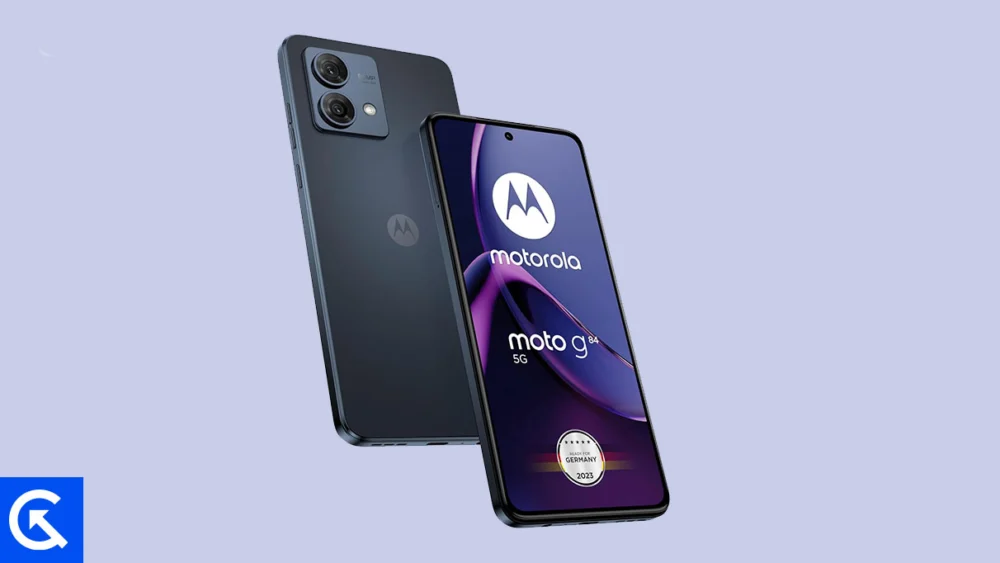
The Motorola Moto G84 5G, a highly competent mid-range device launched in late 2023, is receiving an unexpected software lifeline, bypassing its official update schedule. Thanks to the agility of the custom Android development community, users can now install an unofficial build of Android 16 based on the Android Open Source Project (AOSP), offering immediate access to Google’s newest operating system features well ahead of any manufacturer timeline. This port allows owners of the Moto G84 5G to maximize the utility and security of their hardware, effectively extending the device’s operational lifespan beyond the scope of its original software commitment (which currently plans up to Android 15).
The necessity of custom ROMs arises from the inherent limitations of original equipment manufacturer (OEM) support. While the Moto G84 5G shipped with Android 13 and received an official upgrade path to Android 14 (with Android 15 planned), access to the recently released Android 16 is typically reserved for current-generation flagship devices, particularly Google’s own Pixel lineup. The rapid development cycle of the AOSP community ensures that popular, well-supported hardware like the Moto G84 5G—known internally by developers for its robust foundation—can be quickly adapted to run the latest software iteration.
The Evolution of Android 16: Material 3 Expressive
Android 16 represents a critical evolution in Google’s mobile platform, primarily defined by system optimizations and a significant user interface refinement dubbed Material 3 Expressive. This update is not a radical visual overhaul but rather a sophisticated enhancement of the design philosophy established with Material Design 3. It focuses on elevating the user experience through enhanced fluidity, responsiveness, and aesthetic polish.
![How to Install Android 16 on Motorola Moto G84 5G [Download Link]](https://www.getdroidtips.com/wp-content/uploads/2025/08/Motorola-Moto-G84-5G.jpg)
Material 3 Expressive introduces smoother, more dynamic animations that provide subtle yet noticeable improvements in tactile feedback and visual continuity. Touch targets are often enlarged, improving accessibility and ease of use, particularly in high-density interfaces. Furthermore, the design language employs bolder typography and a refined color palette, ensuring a consistent and contemporary look across all system applications and compatible third-party software.
This design evolution arrives precisely as Material Design 3, introduced with Android 13, began to show its age. Material 3 Expressive revitalizes the interface while carefully preserving the intuitive structure and familiar navigation patterns users have come to expect. Beyond the visible design elements, Android 16 also incorporates numerous system-level optimizations designed to improve resource management, battery efficiency, and overall application launch speeds, all of which are immediately available to users leveraging this custom AOSP build. These updates cumulatively aim to enhance the experience not only on standard smartphone form factors but also in preparation for evolving device types, including foldables and dedicated tablet interfaces.
Moto G84 5G: A Hardware Profile Built for Longevity
The Motorola Moto G84 5G, released in September 2023, remains a compelling platform for advanced software installation due to its balanced specifications and quality build. The device measures a sleek 160 x 74.4 x 7.6 mm and weighs only 166.8g, featuring an appealing construction that includes a glass front and options for plastic or eco-leather backing, complemented by an IP54 rating for basic dust and splash resistance.
Crucially, the G84 5G boasts a high-quality 6.5-inch P-OLED display, which supports a 120Hz refresh rate and reaches up to 1300 nits peak brightness, ensuring an exceptional multimedia and gaming experience. Internally, the phone is powered by the efficient 6nm Snapdragon 695 5G chipset coupled with the Adreno 619 GPU. This combination, alongside generous memory configurations (up to 12GB RAM and 256GB storage), ensures that the hardware remains fully capable of handling the demands of a modern operating system like Android 16.
![How to Install Android 16 on Motorola Moto G84 5G [Download Link]](https://www.getdroidtips.com/wp-content/uploads/2025/08/Motorola-Moto-G84-5G-300x169.jpg)
Camera performance is solid for its class, featuring a 50MP main sensor with Optical Image Stabilization (OIS) and an 8MP ultrawide lens. Audio quality is also a highlight, benefiting from stereo speakers, Hi-Res audio certification, and the inclusion of a 3.5mm headphone jack. The entire system is sustained by a durable 5000mAh battery supporting 30W fast charging, providing reliable all-day performance—a vital characteristic that makes investing in a custom ROM worthwhile. The hardware readiness of the Moto G84 5G makes it an ideal candidate for community development, guaranteeing stability for these early Android 16 builds.
The Critical Path: Technical Requirements for Installation
Installing an unofficial custom ROM is a highly technical process that requires careful adherence to preparation steps. It involves altering the core security features of the device and should only be undertaken after a thorough understanding of the risks, including the potential for data loss and warranty voidance.
1. Data Preservation and Integrity:
The process of installing a custom operating system is inherently destructive. Unlocking the bootloader and subsequent flashing operations necessitate a complete wipe of user data, applications, and settings. A full, external backup of all critical information is mandatory before proceeding.
2. Bootloader Unlocking:
The initial security barrier on any Android device is the bootloader, which dictates what software the device is permitted to execute upon startup. To flash a non-official recovery image or custom ROM, the bootloader must be officially unlocked via Motorola’s approved procedure. This operation resets the device to factory state, reinforcing the need for prior data backup.
![How to Install Android 16 on Motorola Moto G84 5G [Download Link]](https://www.getdroidtips.com/wp-content/uploads/2020/06/cmd-platform-tools.jpg)
3. Essential Development Tools:
Successful installation requires command-line communication between the host computer and the mobile device. This necessitates the installation of the Android Debug Bridge (ADB) and Fastboot binaries (collectively known as Platform-Tools). ADB is utilized for general debugging and file transfer while the device is running or in recovery mode, whereas Fastboot is the specialized utility used when the device is in bootloader mode, essential for flashing recovery images. Additionally, appropriate Motorola USB drivers must be installed on the computer to ensure a stable, high-speed connection for flashing operations.
4. Custom Recovery Environment (TWRP):
The stock recovery partition is designed only to flash official, signed updates. To install third-party ZIP archives, such as the Android 16 custom ROM, a custom recovery environment, typically Team Win Recovery Project (TWRP), must be flashed onto the device. TWRP provides the necessary interface and functionality to perform advanced operations like complete system wipes, partition backups, and flashing unsigned custom images.
5. ROM and GApps Acquisition:
Users must download the specific Android 16 custom ROM build tailored for the Motorola Moto G84 5G. Furthermore, because AOSP builds are pure Android and do not contain proprietary Google services (like the Play Store, Gmail, or Maps), a separate package of Google Apps (GApps) compatible with Android 16 must also be downloaded. It is crucial that the GApps package is flashed immediately following the ROM installation, without an intervening reboot, to ensure proper system integration.
The Installation Sequence
Once prerequisites are met, the installation follows a standard sequence executed within the TWRP environment:
![How to Install Android 16 on Motorola Moto G84 5G [Download Link]](https://www.getdroidtips.com/wp-content/uploads/2020/08/twrp-custom-rom.jpg)
- Boot the Moto G84 5G into the newly installed TWRP Recovery mode.
- Perform a thorough wipe of system partitions, including Data, Cache, and Dalvik Cache, to prevent conflicts with the previous operating system installation.
- Flash the downloaded Android 16 custom ROM ZIP file.
- Immediately flash the corresponding Android 16 GApps package.
- Reboot the device into the new operating system.
The first boot cycle after a custom ROM installation will inherently take longer than usual as the new operating system initializes system files and optimizes applications.
Community Status and Outlook
The availability of Android 16 for the Moto G84 5G through this custom channel is a testament to the dedicated developer community supporting non-flagship devices. While this initial port is unofficial, early user feedback suggests high operational stability, with most core functionalities, including cellular connectivity, camera operation, and display features, working seamlessly.
As with any early port, minor regressions or specific hardware incompatibilities ("bugs") may surface. Users are encouraged to actively participate in the community by reporting any issues, providing detailed logs to developers, and contributing to the refinement of the build. By embracing this unofficial update path, Moto G84 5G users are not only gaining access to the Material 3 Expressive interface and system enhancements of Android 16 but are also actively participating in the longevity and sustained relevance of their hardware.
