

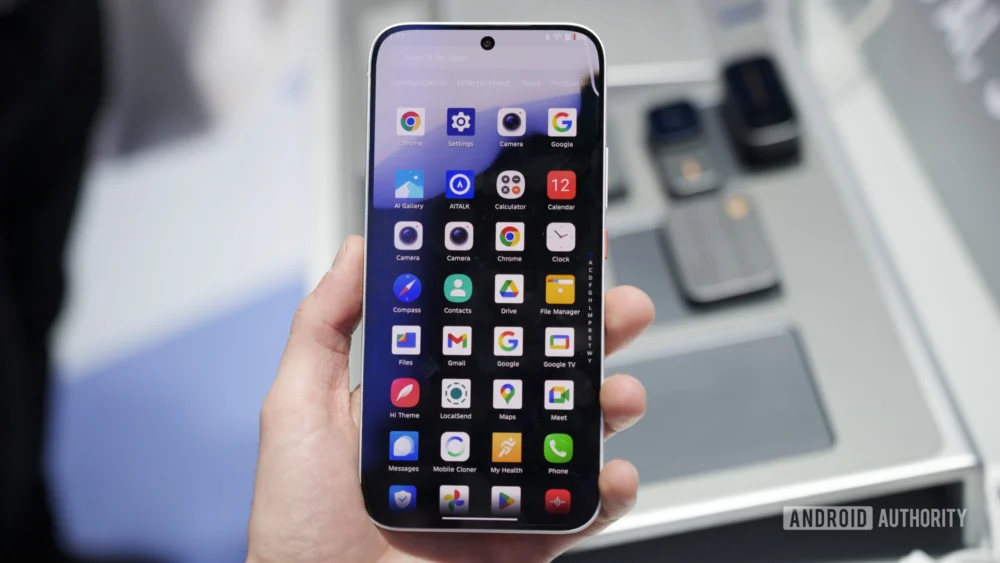
The Mobile World Congress (MWC) has historically served as the primary stage for the industry’s most daring experiments, and the 2026 edition in Barcelona is no exception. While the preceding year was defined by a polarizing industry-wide pivot toward ultra-thin smartphones, most manufacturers struggled to justify the trade-offs required to achieve such svelte profiles. The Samsung Galaxy S25 Edge and the much-hyped iPhone Air, while aesthetically striking, faced criticism for sacrificing battery longevity and camera versatility on the altar of design. However, TECNO has utilized the MWC 2026 floor to showcase a concept device that suggests the industry’s obsession with thinness does not have to result in a compromised user experience. By merging extreme engineering with a sophisticated modular ecosystem, TECNO’s unnamed concept phone offers a glimpse into a future where "thin" is a functional foundation rather than a decorative limitation.
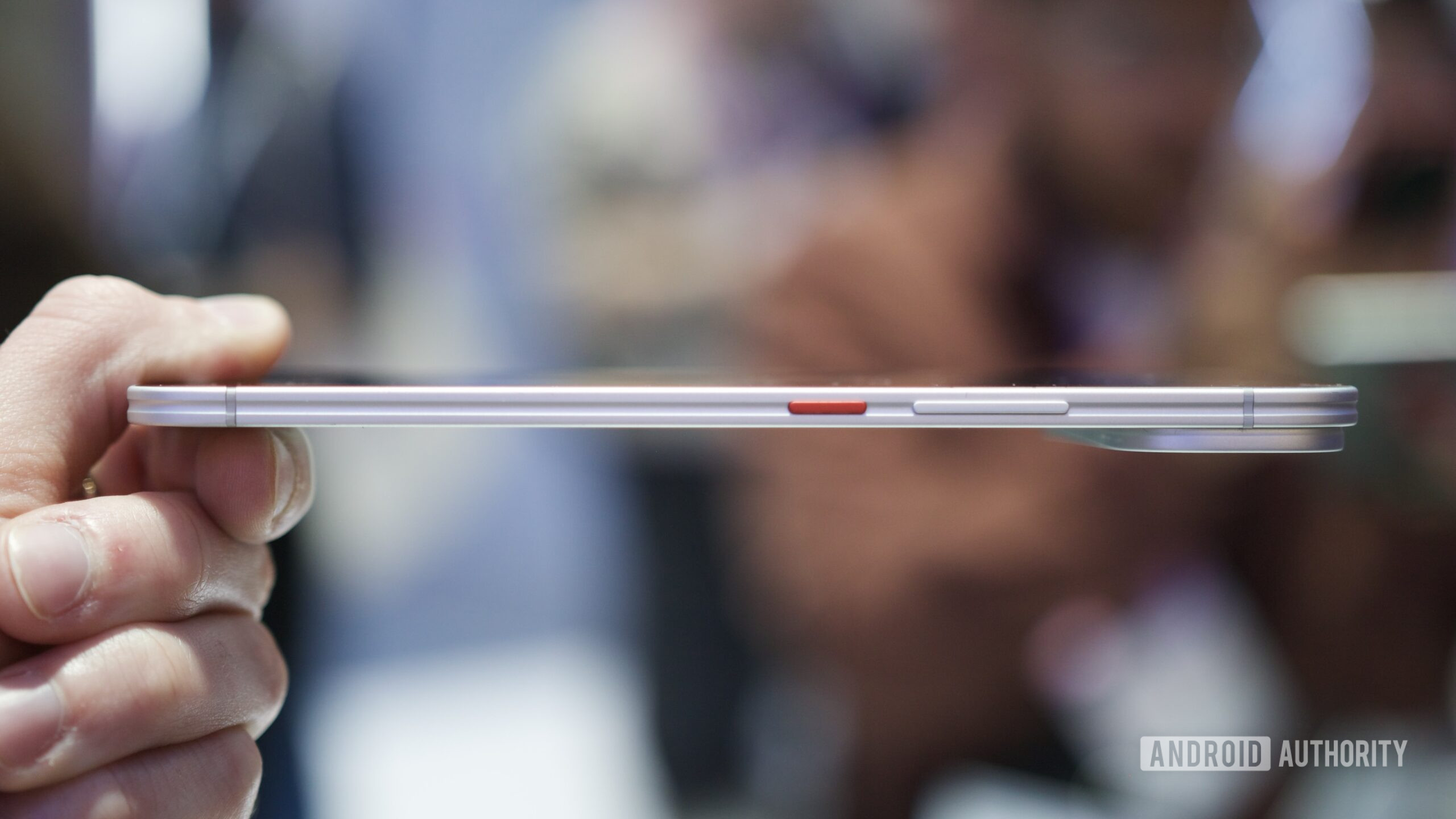
At a mere 4.9mm in thickness, the TECNO concept device sets a new benchmark for the "Thin Era." To put this into perspective, it comfortably undercuts the 5.8mm Galaxy S25 Edge and the 5.6mm iPhone Air. While a difference of less than a millimeter might seem negligible on paper, the tactile reality is profound. Holding the device evokes the sensation of handling a high-end display dummy rather than a fully functioning computer. Yet, despite its impossibly light and thin frame, the device is a fully operational Android smartphone, featuring a vibrant display and the responsive performance expected of a modern flagship. The achievement of such a profile required TECNO to rethink the very anatomy of the smartphone. One of the most radical departures from tradition is the total removal of physical ports. There is no USB-C opening to be found; the device relies exclusively on wireless charging and high-speed wireless data transfer protocols, a move that allowed engineers to maintain structural integrity while shaving away every possible micrometer of bulk.
Visually, the TECNO concept does not shy away from its influences. The top-mounted camera bar and the specific arrangement of sensors bear a striking resemblance to the design language introduced by Apple’s iPhone Air. In the highly competitive mobile landscape, such similarities often lead to accusations of derivative design. However, once the device is handled, it becomes clear that TECNO’s ambitions extend far beyond aesthetic imitation. Where the iPhone Air was criticized for removing the telephoto lens and shrinking the battery to fit its thin chassis, TECNO’s concept uses its thinness as a canvas for its proprietary "Modular Magnetic Interconnection Technology." This magnetic attachment system transforms the back of the phone into a hot-swappable interface for specialized hardware, effectively solving the "thinness paradox" that plagued 2025’s flagship releases.
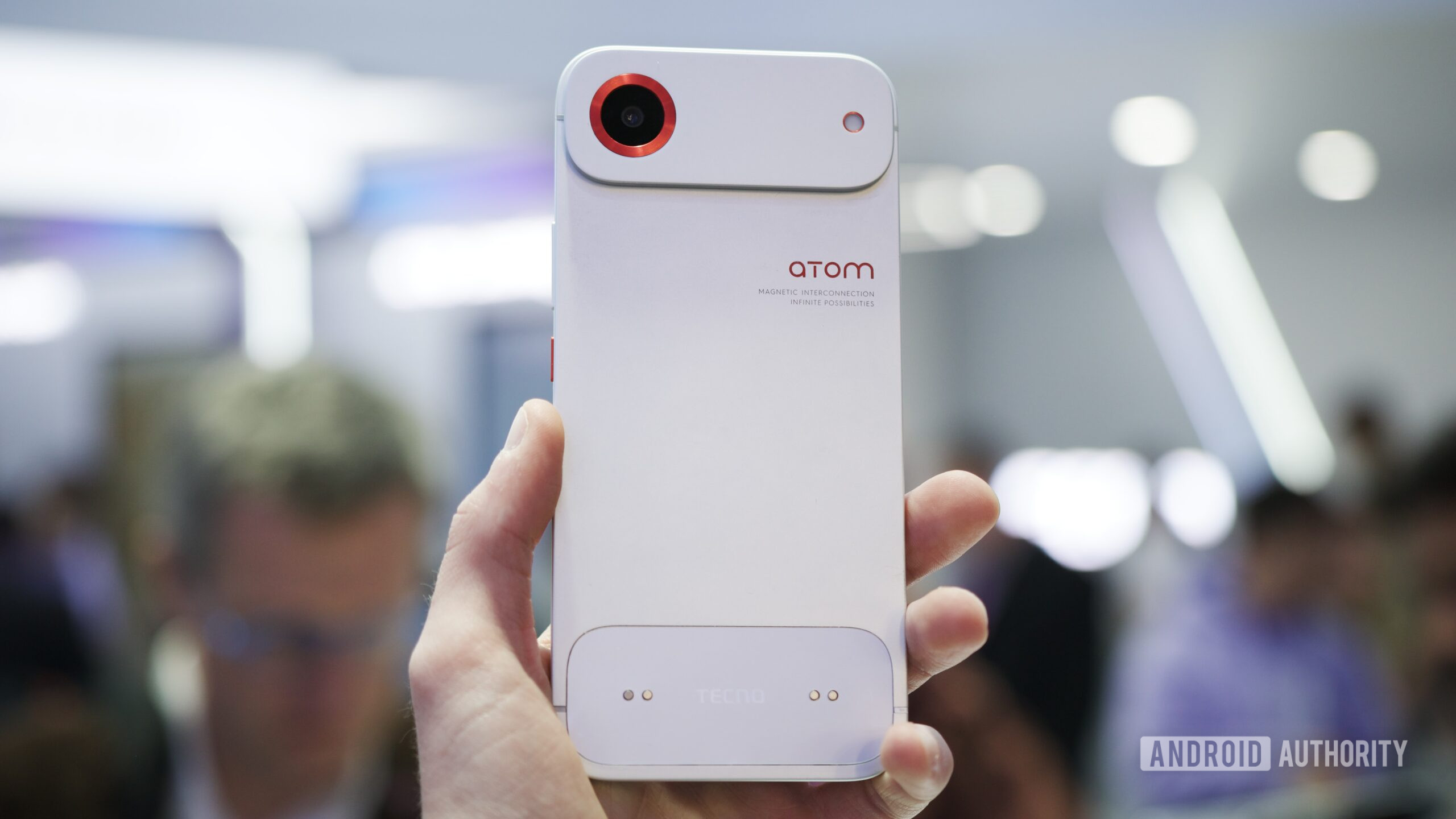
The modularity presented by TECNO is perhaps the most refined iteration of the concept since the early, albeit ill-fated, attempts by Motorola and LG nearly a decade ago. Unlike previous modular efforts that felt clunky or required a complete reboot of the device, TECNO’s system is designed for seamless, on-the-fly integration. The base modules include everyday essentials such as a slim magnetic wallet and a robust kickstand. However, the true innovation lies in the performance-enhancing attachments. For users concerned about the inherent battery limitations of a 4.9mm frame, TECNO offers a 3,000mAh battery pack module. Crucially, these packs are stackable; a user can snap a battery module onto the phone and then snap a second battery module on top of the first, resulting in a total of 6,000mAh of additional capacity. This "Lego-like" approach to power management allows the phone to remain ultra-thin during a typical workday while expanding into a multi-day endurance beast for travel or heavy use.
Photography is another area where the TECNO concept seeks to outperform its rivals. The inherent physics of light and optics usually demand a certain amount of depth for high-quality sensors and zoom lenses—depth that ultra-thin phones simply do not have. TECNO bypasses this physical barrier by moving the heavy lifting to external modules. The concept includes a dedicated camera body module that adds physical shutter buttons and a larger sensor for professional-grade imaging. More impressively, the company showcased specialized telephoto and action camera modules. These units allow a user to instantly upgrade their phone’s optical capabilities without being permanently tethered to a bulky camera bump. If you are heading to a concert, you snap on the telephoto module; if you are going hiking, you swap it for the ruggedized action camera sensor. This flexibility suggests a future where the "best camera" is no longer the one you have with you, but the one you choose to attach.
While critics might point out that Apple’s MagSafe and Google’s Pixelsnap already offer magnetic accessories, TECNO’s implementation is fundamentally different in both scale and scope. MagSafe is primarily an accessory ecosystem for power and mounting; it does not fundamentally alter the hardware capabilities of the iPhone. TECNO’s Modular Magnetic Interconnection Technology, by contrast, facilitates a high-bandwidth data connection between the phone and the module. This is what allows for the addition of secondary camera sensors or, potentially in the future, modules that provide extra RAM or localized storage expansion. Furthermore, because the base phone is so exceptionally thin, even with a module attached, the total package often remains thinner and lighter than a standard flagship smartphone like the Galaxy S26 or iPhone 17 Pro.
The engineering required to manage heat in a 4.9mm enclosure is another area where TECNO appears to have made significant strides. Traditional vapor chambers and heat sinks require volume that this device does not possess. While TECNO has been somewhat secretive regarding the specific thermal materials used, industry analysts speculate the use of advanced graphene-based heat spreaders and highly efficient chipsets optimized for low-voltage operation. By offloading power-intensive tasks to modules—which can have their own independent cooling solutions—the base device is protected from the thermal throttling that often haunts slim electronics.
It is important to acknowledge that the device remains a concept. History is littered with "phones of the future" that never made it to a retail shelf due to the complexities of mass production or the lack of a sustainable third-party accessory market. For a modular system to succeed, it requires more than just clever engineering; it requires a robust ecosystem of developers and manufacturers willing to create modules. TECNO faces an uphill battle in convincing the global market to adopt a proprietary magnetic standard, especially when competing against the established dominance of Apple and Samsung.
Nevertheless, the TECNO concept serves as a vital proof of concept for the industry. It proves that the trend toward thinner devices does not have to be a race toward "less." The 2025 cycle of thin phones felt like a regression for many power users, as they were asked to pay premium prices for devices that did less than their predecessors. TECNO’s vision is "additive" rather than "subtractive." It offers the aesthetic and ergonomic benefits of an ultra-thin device for 90% of the day, while providing a pathway to professional-grade functionality for the remaining 10%.
As MWC 2026 draws to a close, the conversation surrounding the TECNO concept phone continues to grow. It has successfully shifted the narrative from "how thin can we make a phone" to "how much can we fit into a phone that happens to be thin." Whether or not this specific model reaches the hands of consumers, the Modular Magnetic Interconnection Technology it debuted is likely to influence smartphone design for years to come. In a world where the slab-style smartphone has largely plateaued, TECNO’s modular minimalism offers a refreshing and technically impressive path forward, challenging the status quo and forcing industry giants to rethink their approach to the next generation of mobile hardware. For the first time in the "Thin Era," it feels as though we are seeing a device that prioritizes the user’s needs as much as the designer’s vision.
