

The landscape of the Android wearable market is currently undergoing a significant shift, as the traditional dominance of Samsung and Google faces a formidable challenge from OnePlus. While the tech world has been focused on the anticipated release of the Samsung Galaxy Watch 8 and the next iteration of the Google Pixel Watch, new evidence suggests that the upcoming OnePlus Watch 4 may be the device that truly redefines expectations for battery longevity and physical resilience. A series of recent certification listings and detailed hardware leaks have painted a picture of a smartwatch designed to bridge the gap between standard lifestyle wearables and the ultra-rugged, high-priced sports watches that have recently dominated the premium segment.
The catalyst for this renewed interest in OnePlus’s wearable strategy comes from a discovery in the EMVCo database, a certification body typically associated with ensuring that electronic payment systems and hardware meet global security and functional standards. Tipster Sudhanshu Ambhore identified a new model under the designation XL905, which is widely understood to be the OnePlus Watch 4. Unlike many certification leaks that offer only vague hints at a device’s existence, this particular filing was accompanied by a comprehensive specification sheet that offers a deep look into the internal architecture and external capabilities of the upcoming timepiece.
At the heart of the OnePlus Watch 4’s appeal is its rumored durability rating. According to the leaked documentation, the device is set to feature an IP69 rating. To the average consumer, this might seem like a minor incremental update over the IP68 rating found on the OnePlus Watch 3 and the current Galaxy Watch lineup. However, in the world of engineering and hardware protection, the jump from IP68 to IP69 is substantial. While IP68 indicates a device can withstand prolonged immersion in water at specific depths, IP69 signifies protection against high-pressure water jets and high-temperature steam. This level of ingress protection is typically reserved for industrial equipment or specialized outdoor gear designed to be cleaned with pressure washers. By bringing this standard to a mainstream smartwatch, OnePlus is signaling that the Watch 4 is built to survive environments that would potentially compromise the internal seals of its closest competitors.
This move toward extreme durability places the OnePlus Watch 4 in a unique market position. Currently, users seeking that level of ruggedness often have to look toward the "Ultra" variants of smartwatches, such as the Samsung Galaxy Watch Ultra or the Apple Watch Ultra, both of which command a significant price premium and feature bulky, polarizing designs. If OnePlus can integrate IP69 protection into a standard-form-factor watch, it effectively democratizes high-end durability for the everyday user, from those who participate in extreme water sports to individuals working in demanding physical environments.
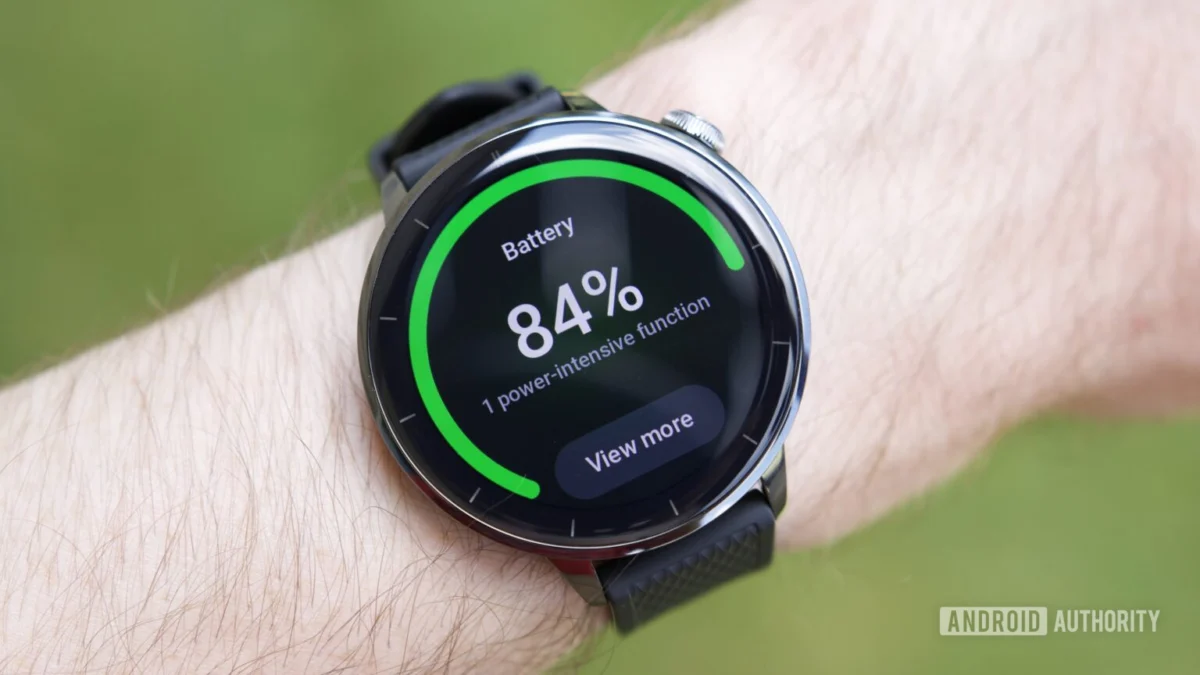
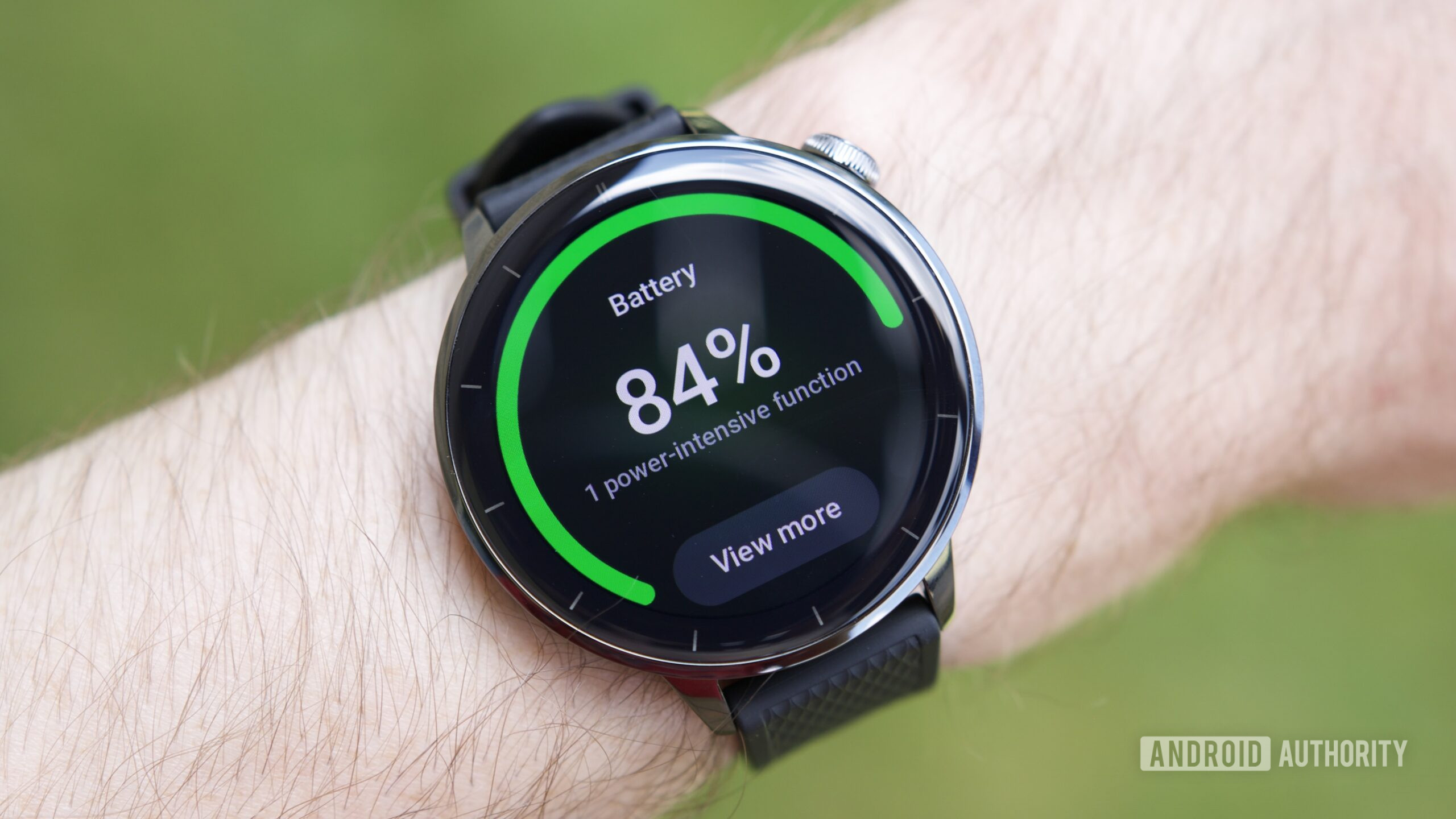
Beyond its physical toughness, the OnePlus Watch 4 appears poised to maintain the brand’s hard-won reputation as the "battery king" of the Wear OS ecosystem. The leaked specs indicate a 646mAh battery, a figure that remains remarkably consistent with the 648mAh unit found in the highly-praised OnePlus Watch 3. While some might have hoped for a larger capacity, the decision to stick with a proven battery size suggests a focus on optimization and refinement rather than simply adding bulk. For context, the standard Samsung Galaxy Watch models often struggle to exceed two days of use, particularly when features like the Always-On Display (AOD) and continuous health monitoring are active. OnePlus, through its unique "Dual-Engine Architecture," has managed to squeeze significantly more life out of similar hardware by offloading background tasks to a low-power co-processor while reserving the primary chipset for high-demand applications.
The primary chipset in question remains the Qualcomm Snapdragon W5 Gen 1. While some enthusiasts might have expected a move to a newer generation of silicon, the W5 Gen 1 remains a highly efficient and capable 4nm platform that has yet to be fully pushed to its limits by current wearable software. By sticking with this chipset, OnePlus ensures a level of stability and familiarity in the development process, allowing them to focus on software efficiency and the seamless integration of Wear OS. This hardware choice, paired with the large battery and the likely inclusion of the BES2700 ultra-low-power co-processor, suggests that the Watch 4 will continue to offer the 100-hour battery life that made its predecessor a standout choice for those tired of the "nightly charge" routine.
The visual experience of the OnePlus Watch 4 will be centered around a 1.5-inch LTPO AMOLED display with a resolution of 466 x 466 pixels. The use of LTPO (Low-Temperature Polycrystalline Oxide) technology is a critical component of the watch’s power-saving strategy. LTPO allows the screen to dynamically adjust its refresh rate, dropping to as low as 1Hz when the screen is static. This drastically reduces power consumption during Always-On Display modes, ensuring that the watch can remain informative throughout the day without significantly impacting the battery percentage. The 47mm case size indicates that OnePlus is continuing to target users who prefer a substantial, legible timepiece, though it remains to be seen if a smaller variant will be introduced for those with more slender wrists.
When comparing the OnePlus Watch 4 to the projected specifications of the Samsung Galaxy Watch 8, a clear philosophical divide emerges. Samsung is expected to lean heavily into artificial intelligence, utilizing its new chipsets to provide advanced health insights, sleep coaching, and ecosystem integration. While these features are attractive, they often come at the cost of endurance. The Galaxy Watch 8 is likely to remain tethered to a daily or bi-daily charging cycle. OnePlus, conversely, is doubling down on the fundamentals of the user experience: a watch that doesn’t break and a watch that doesn’t die.
The Google Pixel Watch 4, another major competitor, is expected to continue its focus on aesthetic refinement and the deep integration of Fitbit’s health tracking suite. However, Google’s wearable hardware has historically lagged behind in terms of raw battery capacity and charging speeds. OnePlus has a distinct advantage here, often including its proprietary fast-charging technology that can provide a full day’s worth of power in just a few minutes. For the pragmatic user, the ability to quickly top up a watch that already lasts four days is a much more compelling value proposition than incremental improvements in AI-driven wellness metrics.
As we look toward the official unveiling, several questions remain regarding the software and sensor suite. The Watch 3 introduced impressive health tracking capabilities, including heart rate monitoring, blood oxygen levels, and stress tracking. It is logical to assume the Watch 4 will refine these sensors, perhaps offering better accuracy during high-intensity interval training or improved sleep stage analysis. Furthermore, the integration with the OnePlus ecosystem—specifically how the watch interacts with OnePlus smartphones and tablets—will be a key factor in its success.
The leaked model number XL905 and its presence in the EMVCo database also suggest that OnePlus is ensuring its NFC payment capabilities are robust and ready for global markets. In previous years, the transition to Wear OS allowed OnePlus to utilize Google Wallet, a move that solved one of the biggest complaints regarding the original, proprietary OnePlus Watch. The Watch 4 will undoubtedly continue this trend, offering a seamless "tap-to-pay" experience that is as secure as it is convenient.
Ultimately, the OnePlus Watch 4 represents a maturation of the company’s wearable strategy. After a rocky start with its first-generation device, OnePlus has listened to consumer feedback and focused on the two most critical pain points of the smartwatch industry: durability and battery life. By providing a device that can withstand the rigors of high-pressure water jets and last nearly a work week on a single charge, OnePlus is not just releasing another accessory; it is challenging the industry leaders to do better. If the leaked specifications hold true, the Galaxy Watch 8 and Pixel Watch 4 may find themselves overshadowed by a competitor that understands that the best smart feature a watch can have is the ability to stay on the user’s wrist rather than on the charging puck.
