
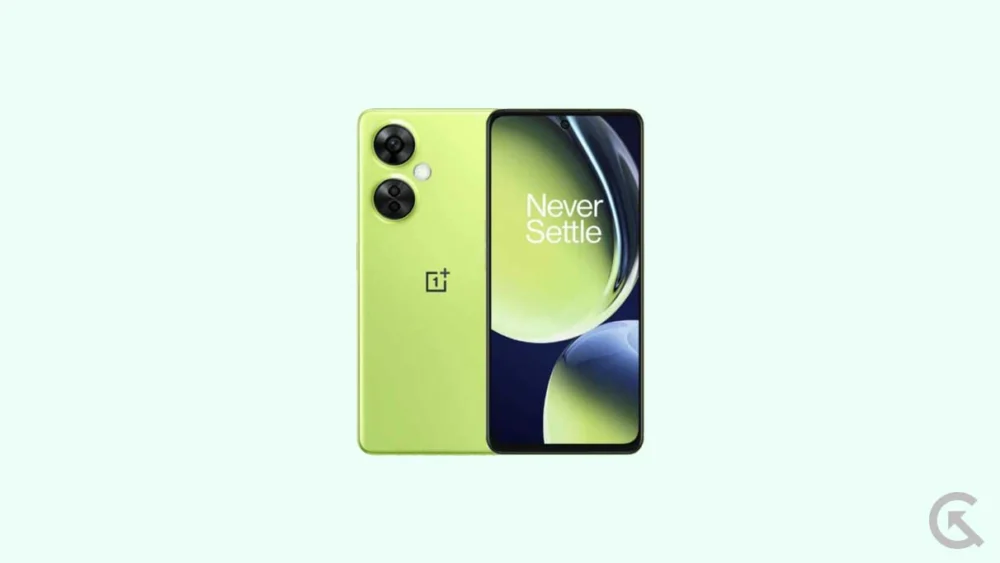
The OnePlus Nord CE 3 Lite 5G and its North American counterpart, the OnePlus Nord N30 5G, represent a pivotal segment of the mid-range smartphone market. While these devices ship with a robust set of features and the proprietary OxygenOS, a significant portion of the user base seeks to transcend the limitations of factory-installed software. The Android operating system, built upon an open-source foundation, grants users the unique ability to replace the manufacturer’s "Stock ROM" with community-developed "Custom ROMs." This transition is not merely an aesthetic choice but a technical upgrade that can enhance performance, privacy, and the overall longevity of the hardware. For owners of the Nord CE 3 Lite and N30, the custom firmware scene has matured rapidly, offering a diverse array of options that cater to different user priorities, from minimalist stability to extreme customization.
To understand the value of custom firmware, one must first appreciate the hardware capabilities of the OnePlus Nord CE 3 Lite and Nord N30. These devices are powered by the Qualcomm Snapdragon 695 5G chipset, a reliable 6nm processor that balances power efficiency with capable performance. Accompanied by 8GB of LPDDR4X RAM and a 6.72-inch IPS LCD panel featuring a 120Hz refresh rate, the hardware provides a fluid canvas for any operating system. The photography suite is led by a high-resolution 108-megapixel primary sensor, which, when paired with the right software, can produce professional-grade imagery. However, the factory-installed OxygenOS 13.1, while functional, often includes proprietary background services and design choices that may not align with every user’s preference. This is where the distinction between Stock and Custom ROMs becomes critical.
A Stock ROM is the firmware developed by the Original Equipment Manufacturer (OEM)—in this case, OnePlus. It is designed to be a "one-size-fits-all" solution, often burdened with pre-installed applications (bloatware) and telemetry services that can consume system resources and impact battery life. In contrast, a Custom ROM is a third-party version of the Android OS, often built from the Android Open Source Project (AOSP) source code. These ROMs are maintained by independent developers and enthusiasts who strip away unnecessary components, optimize the kernel for better hardware utilization, and introduce features that the OEM might have overlooked. By installing a Custom ROM, users can often access the latest versions of Android long after the manufacturer has ceased official support, effectively extending the device’s lifecycle.
The journey into custom firmware for the Nord CE 3 Lite and N30 typically begins with the installation of a custom recovery, such as TWRP (Team Win Recovery Project). TWRP acts as a gateway, allowing users to wipe the existing system and "flash" new software packages. Once this infrastructure is in place, the world of community-driven development opens up. Currently, the landscape for these devices is dominated by several high-profile projects, each offering a unique take on the Android experience.
At the forefront of the movement is LineageOS, the spiritual successor to the legendary CyanogenMod. LineageOS is widely regarded as the gold standard for stability and security in the custom ROM community. For the Nord CE 3 Lite and N30, LineageOS 22 (based on Android 15) and the experimental LineageOS 23 (based on Android 16) provide a clean, "no-frills" interface that stays true to the original vision of Android. It eschews the heavy modifications found in OxygenOS in favor of a lightweight system that prioritizes speed. Users can enjoy deep customization of the status bar, navigation gestures, and system profiles without the overhead of heavy animations or resource-intensive background processes.
![List of Best Custom ROM for OnePlus Nord CE 3 Lite / Nord N30 [Updated]](https://www.getdroidtips.com/wp-content/uploads/2023/04/OnePlus-Nord-CE-3-Lite-5G.jpg)
For those who admire the software experience found on Google’s flagship devices, PixelOS and Pixel Experience ROMs offer a seamless transition. These ROMs are designed to mimic the Google Pixel environment perfectly, including the exclusive "Pixel-only" features like the Google Photos unlimited backup (in some versions), the refined "At a Glance" widget, and the sophisticated Material You accenting system. PixelOS, specifically, is an AOSP-based project that integrates Google apps (GApps) directly into the build, ensuring that users have a functional, "out-of-the-box" experience that feels like it was designed by Google’s own engineers. It focuses on smoothness and provides the distinctive haptic feedback and fluid animations that characterize the Pixel lineup.
As the Android ecosystem evolves, the Nord CE 3 Lite and N30 have also become testing grounds for the next generation of Google’s design language. The emergence of Android 16 builds introduces "Material 3 Expressive." This design evolution builds upon the foundation of Material Design 3 by introducing bolder typography, more dynamic motion, and larger touch targets. While not a complete departure from previous versions, Material 3 Expressive represents a refinement of the user interface that makes interaction feel more tactile and responsive. Developers are already working on porting these features to the Nord series, allowing enthusiasts to stay ahead of the official release cycle.
For power users who demand granular control over every aspect of their device, crDroid and Evolution X are the preferred choices. crDroid is built on the foundations of LineageOS but adds an extensive layer of customization options borrowed from various legendary projects like AOSPA and SlimROM. It allows users to modify everything from the lock screen layout to the internal kernel parameters, making it ideal for those who want to "overclock" their user experience. Similarly, Evolution X aims to provide a "true Pixel feel" but supplements it with an exhaustive settings menu known as "The Evolver." This allows for monthly security patches and frequent updates, ensuring that the device remains protected against the latest vulnerabilities while offering a level of personalization that is simply impossible on stock firmware.
Another noteworthy entry in the custom firmware list is LunarisAOSP. This ROM is tailored specifically for users who want a middle ground between the austerity of LineageOS and the feature-rich nature of crDroid. LunarisAOSP focuses on a balanced mix of performance and smoothness, maintaining a high degree of stability that makes it suitable for use as a "daily driver." It is particularly praised for its battery optimization, which leverages the Snapdragon 695’s efficiency to provide extended screen-on time compared to the stock OxygenOS.
The transition to Android 14 has also brought significant under-the-hood improvements to these custom builds. Android 14 introduced a revamped lock screen, an intuitive system share sheet, and a more aggressive battery-saving mode. Features like Ultra HDR support for media and the ability to use AI-generated wallpapers have been integrated into many of the ROMs mentioned above. By moving to a custom Android 14 or 15 build, Nord CE 3 Lite and N30 users can enjoy these cutting-edge features today, rather than waiting for staggered carrier or regional rollouts of official updates.
While the benefits of custom ROMs are numerous, it is essential for users to approach the process with a technical understanding of the risks involved, such as the potential for voiding warranties or "bricking" the device if instructions are not followed precisely. However, for the community of enthusiasts surrounding the OnePlus Nord CE 3 Lite and N30, the reward of a faster, cleaner, and more personalized smartphone experience far outweighs the risks. Whether it is the classic reliability of LineageOS, the aesthetic elegance of PixelOS, or the experimental frontier of Android 16, the custom ROM ecosystem ensures that these OnePlus devices remain relevant and powerful tools in an ever-changing technological landscape. By embracing these community-driven innovations, users can truly reclaim ownership of their hardware and define their own mobile experience.
