
The rapid evolution of the Android ecosystem has reached a new milestone with the release of Android 16. While Google’s latest operating system initially targeted the Pixel lineup, the open-source nature of the Android project has allowed independent developers to bridge the gap for other high-performance devices. Among the most notable beneficiaries of this early software migration is the Motorola Edge 60 Pro. This device, already recognized for its robust hardware and sleek design, is now capable of running unofficial Android Open Source Project (AOSP) builds of Android 16. This transition represents more than just a version increment; it is an opportunity for power users to experience the cutting edge of mobile computing, characterized by enhanced fluidity, refined aesthetics, and deeper system-level optimizations.
![How to Install Android 16 on Motorola Edge 60 Pro [Download Link]](https://www.getdroidtips.com/wp-content/uploads/2026/02/Motorola-Edge-60-Pro.jpg)
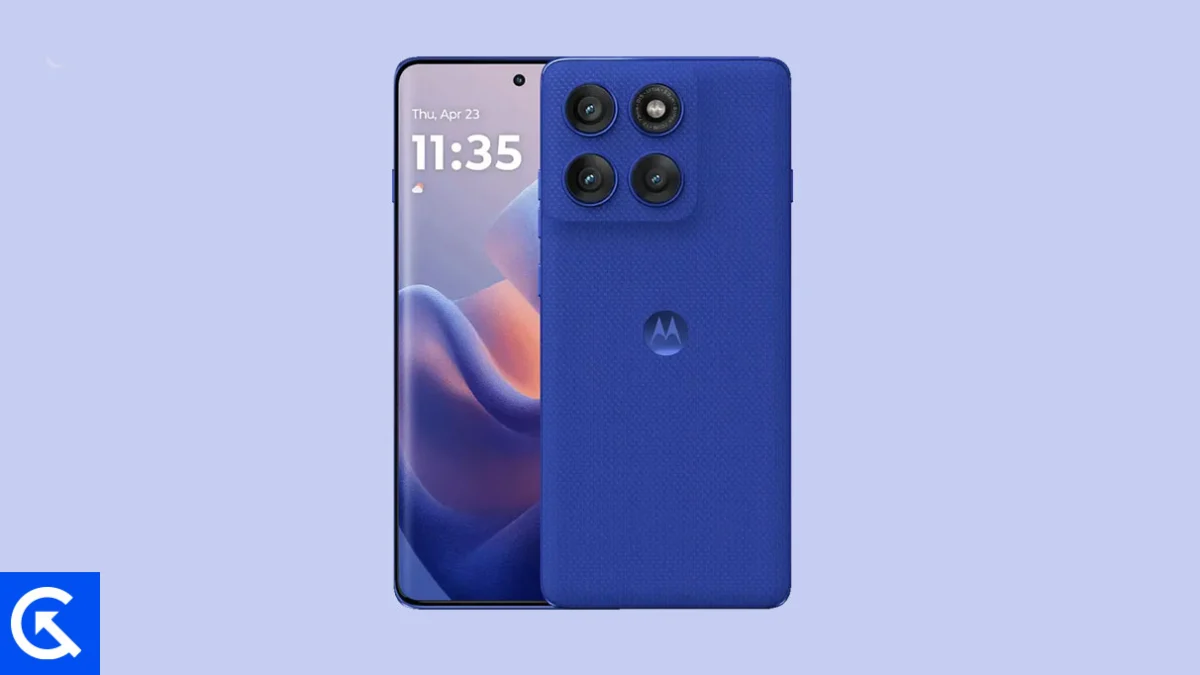
The Motorola Edge 60 Pro serves as an ideal canvas for the Android 16 experience. Positioned as a premium flagship alternative, the device is built around a stunning 6.7-inch P-OLED display. With a 1220p resolution and a 120Hz refresh rate, the panel offers the visual density and motion clarity required to showcase the sophisticated animations of the new OS. The hardware is fortified by Gorilla Glass 7i and an eco-leather back, providing a tactile experience that complements the modern software. Under the hood, the Dimensity 8350 Extreme chipset, paired with UFS 4.0 storage, provides the computational horsepower necessary to manage the sophisticated background processes and multitasking demands of Android 16. Furthermore, the massive 6000 mAh silicon-carbon battery ensures that the device maintains longevity even when pushing the limits of experimental software.
Android 16 introduces a significant design shift known as Material 3 Expressive. This is not a complete departure from the previous Material You philosophy, but rather a mature refinement. The update focuses on the "expressive" nature of the interface, introducing larger touch targets that improve accessibility and bolder typography that enhances readability across various lighting conditions. The animations in Android 16 are noticeably smoother, utilizing new physics-based engines to ensure that transitions feel organic rather than mechanical. For the Motorola Edge 60 Pro user, this means the curved edges of the screen feel more integrated into the software experience, as swipes and gestures respond with heightened precision. Beyond the visual layer, Android 16 brings improved privacy controls, better resource management for high-refresh-rate screens, and optimized support for the triple-camera array found on the Edge 60 Pro, potentially offering better processing for the 50 MP main and telephoto sensors.
![How to Install Android 16 on Motorola Edge 60 Pro [Download Link]](https://www.getdroidtips.com/wp-content/uploads/2026/02/Motorola-Edge-60-Pro-300x169.jpg)
The path to installing a custom ROM like Android 16 requires a disciplined approach to technical preparation. Unlike official over-the-air (OTA) updates, manual flashing bypasses the standard safety nets provided by the manufacturer. Consequently, the first and most vital step is the comprehensive backup of all personal data. Flashing a new operating system involves wiping the internal storage entirely, meaning that photos, documents, and application data must be secured in the cloud or on an external drive. Additionally, the device must maintain at least a 50% battery charge. A sudden power failure during the flashing of the system partition can lead to a "hard brick" state, rendering the hardware unusable without specialized recovery tools.
The infrastructure for this installation relies on the Android Debug Bridge (ADB) and Fastboot binaries. These command-line utilities act as the primary communication link between a computer and the mobile device when the latter is in its pre-boot environment. For the Motorola Edge 60 Pro, having the latest Motorola USB drivers is equally essential to ensure that the Windows or macOS environment recognizes the phone while it is in "Fastboot Mode." Once the environment is set up, the most significant hurdle is unlocking the bootloader. Motorola provides an official path for this, though it is important to note that this action typically voids the manufacturer’s warranty and triggers a factory reset. An unlocked bootloader is the "key to the city," allowing the user to replace the stock recovery image with a custom one, such as Team Win Recovery Project (TWRP).
![How to Install Android 16 on Motorola Edge 60 Pro [Download Link]](https://www.getdroidtips.com/wp-content/uploads/2020/06/cmd-platform-tools.jpg)
TWRP is the gateway through which the Android 16 ROM is delivered to the hardware. It provides a touch-based interface for managing partitions, allowing users to "Wipe" the existing Android 15 framework to make room for the new architecture. Once TWRP is successfully installed on the Motorola Edge 60 Pro, the user must acquire the specific Android 16 AOSP build tailored for this device. Because these builds are often "vanilla," they do not include Google Mobile Services (GMS). To access the Google Play Store, Maps, and Gmail, users must also download a compatible Android 16 GApps (Google Apps) package. The sequence of installation is critical: the ROM must be flashed first, immediately followed by the GApps package, without an intermediate reboot. This ensures that the Google framework is integrated into the system’s root directory during the initial setup phase.
The actual installation protocol is a methodical process. After booting into TWRP recovery, the user navigates to the "Wipe" section to perform a factory reset, clearing the Data, Cache, and Dalvik partitions. Following this, the "Install" menu is used to locate the Android 16 ROM file on the internal storage or an SD card. After the ROM is flashed, the GApps package is added to the queue. Once the process is complete, the device is rebooted. The initial boot sequence for a new ROM is notoriously long, as the system must build its cache and initialize new services. During this time, the Motorola logo may remain on the screen for several minutes; this is a normal part of the encryption and setup process and should not be mistaken for a system hang.
![How to Install Android 16 on Motorola Edge 60 Pro [Download Link]](https://www.getdroidtips.com/wp-content/uploads/2020/08/twrp-custom-rom.jpg)
Upon successful entry into the Android 16 environment, users will be greeted by the new setup wizard. This is the moment where the hardware and software synergy becomes apparent. The Motorola Edge 60 Pro’s 90W fast charging and 1220p display work in tandem with the new OS’s power-efficient kernel. While early AOSP builds are generally stable, they are unofficial by nature. Users should be prepared to encounter minor bugs, such as occasional glitches in specialized sensors or specific camera modes. The developer community thrives on feedback; therefore, capturing logs and reporting issues to the ROM maintainers is a vital part of the ecosystem, ensuring that subsequent updates provide a more polished experience.
Ultimately, installing Android 16 on the Motorola Edge 60 Pro is an act of digital empowerment. It allows the user to break free from the traditional update cycles dictated by carriers and manufacturers, granting immediate access to the latest security features and design innovations. By leveraging the Dimensity 8350 Extreme’s power and the P-OLED’s brilliance, this software upgrade breathes a second life into the device, making it feel like a brand-new flagship. While the process requires technical diligence and a willingness to navigate the complexities of bootloaders and recovery images, the reward is a personalized, high-performance mobile experience that sits at the very forefront of the Android world. As Google continues to refine Android 16 through its official channels, these early community builds provide a vital preview and a functional daily driver for those who refuse to wait for the future to arrive.
