
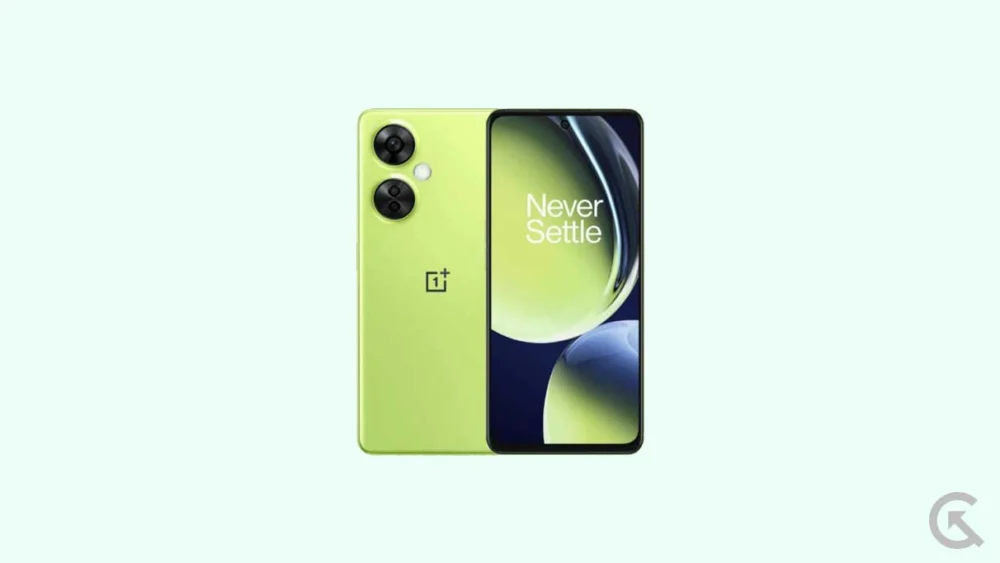
The OnePlus Nord CE 3 Lite 5G, also known in North American markets as the OnePlus Nord N30 5G, has solidified its position as a formidable contender in the mid-range smartphone segment. While the device arrives with a robust feature set and a polished user interface out of the box, the true power of the Android ecosystem lies in its open-source nature. For enthusiasts and power users, the standard software experience is often just the beginning. By venturing into the world of custom ROMs, owners of the Nord CE 3 Lite and N30 can transcend manufacturer-imposed limitations, accessing the latest Android iterations and a level of personalization that "Stock ROMs" simply cannot provide.
To understand the appeal of custom firmware, one must first look at the hardware foundation of the device. The OnePlus Nord CE 3 Lite is built around the Qualcomm Snapdragon 695 5G chipset, a reliable 6nm processor that balances power efficiency with capable performance. This is paired with 8GB of LPDDR4X RAM and a 6.72-inch full-HD+ LCD panel that supports a 120Hz refresh rate. While the device ships with OxygenOS 13.1—a skin layered over Android 13—the hardware is more than capable of handling much newer versions of the Android operating system. The presence of a 108-megapixel primary camera and a substantial 5,000mAh battery with 67W SuperVOOC charging makes it an ideal candidate for software optimization through community-developed projects.
The distinction between Stock ROM and Custom ROM is fundamental to the modification community. When a user unboxes a new OnePlus device, it runs the Stock ROM—the official firmware developed by OnePlus. While stable and secure, Stock ROMs are often criticized for including "bloatware" (pre-installed applications that cannot be removed) and for having a "shelf life" dictated by the manufacturer’s update policy. Once a manufacturer ceases official support, the device may no longer receive the latest Android features or security patches. This is where Custom ROMs become essential. Developed by independent contributors and global communities, these ROMs are built from the Android Open Source Project (AOSP) source code. They allow users to strip away unwanted OEM apps, improve system performance, and extend the functional life of their hardware by years.
The gateway to this world of customization is the installation of a custom recovery, such as TWRP (Team Win Recovery Project). Once a user has successfully flashed TWRP onto their OnePlus Nord CE 3 Lite or N30, the device is "unlocked," allowing for the installation of various third-party operating systems. The current landscape for these devices is particularly vibrant, offering everything from "bleeding-edge" experimental builds to highly stable, daily-driver-ready firmware.
At the forefront of the experimental frontier is Android 16. While Google is still refining the future of the Android platform, the developer community has already begun integrating elements like "Material 3 Expressive" into early builds for the Nord CE 3 Lite. This design philosophy is an evolution of the Material Design 3 language, focusing on dynamic animations, bolder typography, and more ergonomic touch targets. For users who want to see the future of mobile interfaces before the general public, these early Android 16-based projects represent the pinnacle of current development efforts.
For those seeking a more established but still modern experience, Android 14-based ROMs are currently the gold standard. Android 14 introduced significant under-the-hood improvements, including Ultra HDR support for media, a redesigned system share sheet, and a more intuitive battery-saving mode. On the OnePlus Nord CE 3 Lite, these ROMs often provide a cleaner experience than OxygenOS, utilizing the Material You-themed settings and AI-generated wallpapers that were originally exclusive to Google’s Pixel lineup. The transition to Android 14 also brings improved drag-and-drop capabilities between applications, which enhances the multitasking potential of the device’s 8GB of RAM.
![List of Best Custom ROM for OnePlus Nord CE 3 Lite / Nord N30 [Updated]](https://www.getdroidtips.com/wp-content/uploads/2023/04/OnePlus-Nord-CE-3-Lite-5G.jpg)
Perhaps the most legendary name in the custom firmware scene is LineageOS. As the spiritual successor to CyanogenMod, LineageOS is built on a philosophy of stability and longevity. For the OnePlus Nord CE 3 Lite and N30, LineageOS 22 and 23 represent some of the most polished software available. LineageOS is famous for its "clean" approach, offering a near-stock Android experience but with powerful added features. These include a highly customizable status bar, advanced theme engines, and the ability to resize and recolor the navigation bar. For users who find OxygenOS too cluttered or "heavy," LineageOS provides a lightweight alternative that often results in faster app launch times and improved battery endurance.
For users who admire the aesthetic and functional simplicity of Google’s own devices, PixelOS and Evolution X are the premier choices. PixelOS is an AOSP-based ROM that includes Google apps (GApps) by default, aiming to replicate the "Pixel Experience" exactly. It brings features like the Google Photos unlimited storage spoofing, Pixel-exclusive fonts, and the smooth "Pixel-style" animations that many users prefer over the standard OnePlus transitions. Evolution X takes this a step further by combining the Pixel look with an exhaustive array of configuration options. It is designed for the user who wants their phone to look like a Pixel but behave like a high-end enthusiast machine, offering monthly security patches synchronized with Google’s official releases.
Specialized users may also look toward crDroid OS and LunarisAOSP. crDroid is built from a mixture of AOSP and LineageOS code, but it is unique in its "kitchen sink" approach to features. It incorporates the best tweaks from various other projects like SlimROM and AOSPA, giving users granular control over every aspect of the OS, from the kernel level to the UI icons. LunarisAOSP, on the other hand, focuses on a "balanced" approach. It is specifically tuned for the Nord CE 3 Lite’s hardware to ensure that the 120Hz display remains buttery smooth while minimizing background battery drain.
The benefits of switching to a custom ROM extend beyond just aesthetics. Gaming enthusiasts using the OnePlus Nord CE 3 Lite can benefit from specialized "Game Focus" modes found in these ROMs, which can reallocate CPU and GPU resources more aggressively than the stock software. Furthermore, many custom ROMs allow for the installation of "GCam" (Google Camera) ports, which can often extract better photographic results from the 108-megapixel sensor than the stock camera app, particularly in low-light conditions and HDR processing.
However, the journey into custom firmware is not without its requirements. Users must be prepared to unlock their bootloader, a process that typically wipes all user data. It is also vital to ensure that the specific ROM chosen is compatible with the device’s regional variant, as the Nord CE 3 Lite and Nord N30 share identical hardware but may have slight differences in modem configurations. The community at XDA Developers and other platforms continues to provide updated builds and bug reports, ensuring that the software remains viable as a daily driver.
Ultimately, the availability of these Custom ROMs transforms the OnePlus Nord CE 3 Lite / Nord N30 from a standard mid-range smartphone into a versatile tool for digital expression. Whether a user is looking for the privacy-focused features of LineageOS, the aesthetic elegance of PixelOS, or the experimental features of Android 16, the custom firmware community provides the keys to the kingdom. By leveraging the open-source power of Android, Nord CE 3 Lite owners can ensure their device remains at the cutting edge of technology long after the official manufacturer support has faded.
