

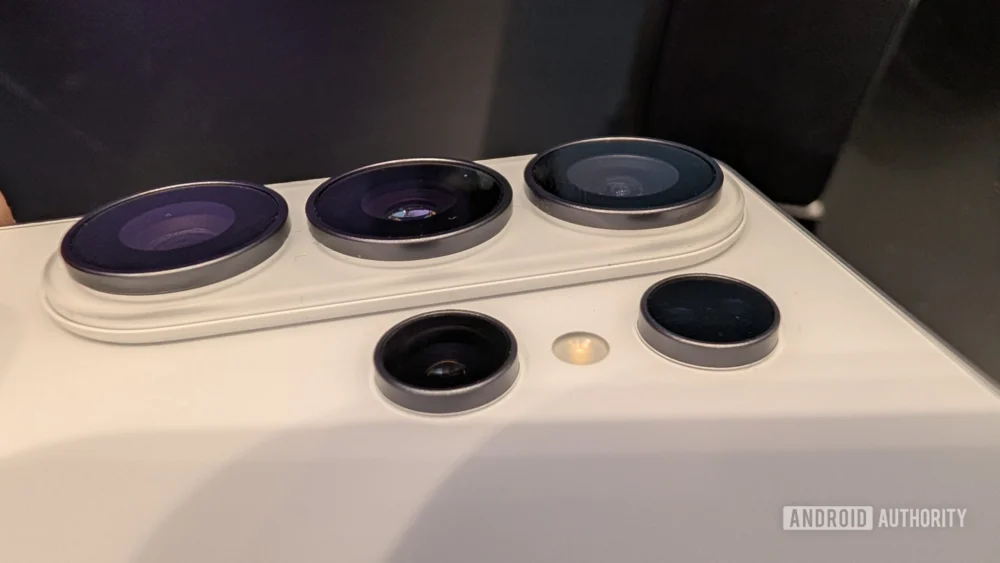
The landscape of mobile photography has long been defined by a relentless pursuit of greater focal lengths and more sophisticated optical assemblies within the razor-thin confines of a smartphone chassis. With the official release of the Galaxy S26 series, Samsung has once again placed its "Ultra" model at the center of a technical debate regarding the future of telephoto optics. While much of the pre-launch buzz centered on the device’s refined aesthetics and upgraded processing power, a significant architectural shift within the camera module remained largely unnoticed until recently. Samsung has confirmed that the Galaxy S26 Ultra has transitioned away from the conventional periscope lens design for its 5x optical zoom, opting instead for a sophisticated new arrangement known as All Lenses on Prism, or ALoP.
For several generations, the "periscope" or "folded zoom" lens has been the gold standard for achieving high-magnification optical zoom in mobile devices. This design utilizes a prism to bend light at a 90-degree angle, allowing the lens elements and the image sensor to be stacked horizontally across the width of the phone rather than vertically through its depth. This clever use of space enabled Samsung to offer 10x and 5x optical zooms without creating a massive protrusion on the back of the device. However, as confirmed in a recent statement provided to industry analysts, the Galaxy S26 Ultra breaks from this tradition, signaling a new direction for the company’s flagship imaging pipeline.
The technical distinction between the outgoing Galaxy S25 Ultra and the new Galaxy S26 Ultra lies in the physical orientation of the optical stack. In the S25 Ultra, the 5x zoom utilized a classic folded design where the prism sits at the entrance of the camera module, redirecting light through a series of lenses arranged perpendicularly to the phone’s surface. In contrast, the Galaxy S26 Ultra utilizes a design that some early reports characterized as "traditional" because the lens elements are arranged parallel to the phone’s body. However, the reality is more complex. The ALoP technology employed by Samsung rearranges the internal components so that the lens elements sit directly on top of the prism. This allows the light to pass through the lenses first before being redirected by the prism onto a sensor that remains perpendicular to the device’s plane.
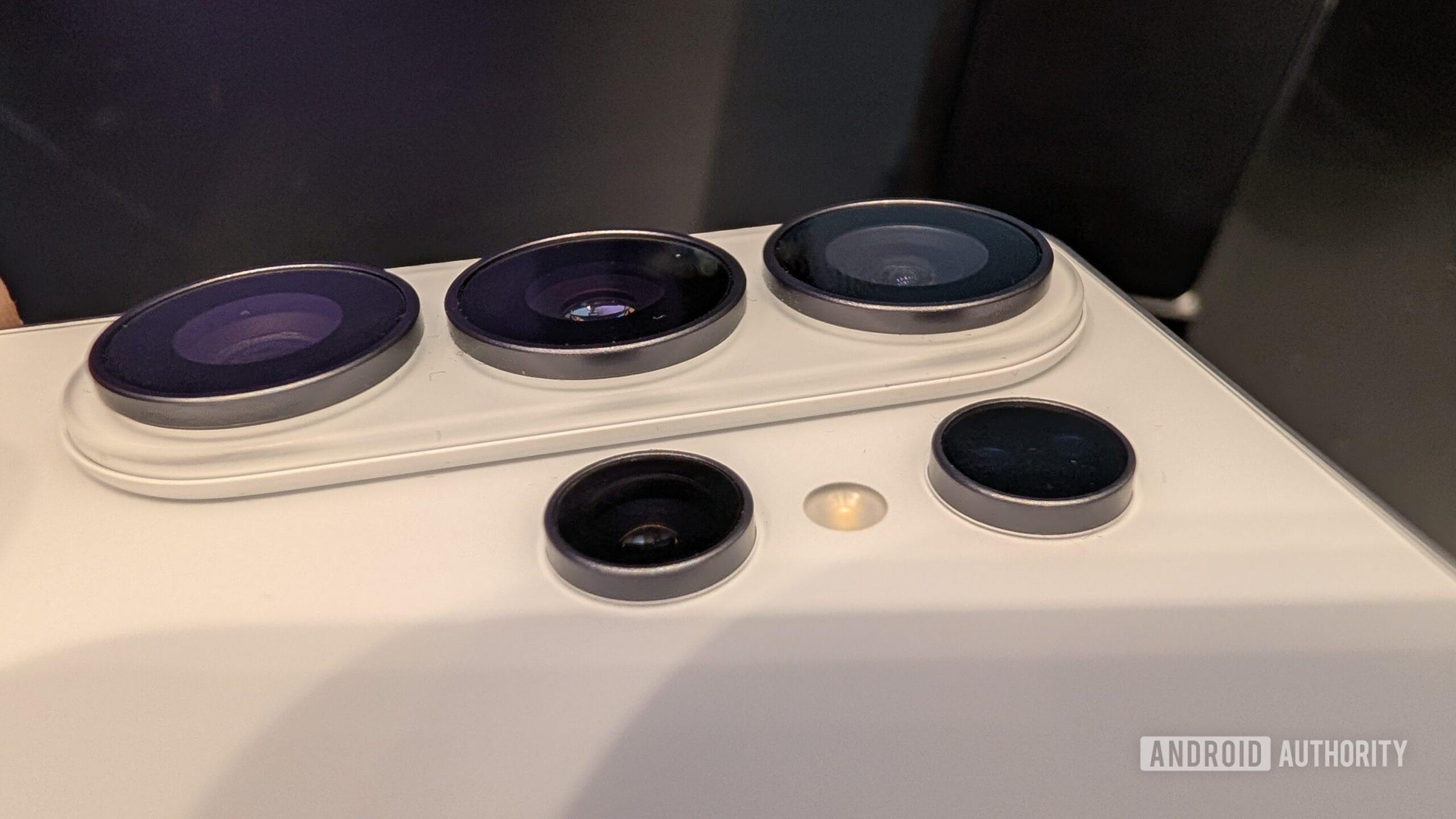
This architectural pivot was not made without significant trade-offs, particularly regarding the camera’s versatility in close-up scenarios. One of the most immediate impacts of this change is a regression in minimum focusing distance. The Galaxy S25 Ultra was widely praised for its ability to double as a pseudo-macro lens, with its 5x telephoto camera capable of locking focus on subjects as close as 26 centimeters. The new ALoP-based 5x camera on the Galaxy S26 Ultra, however, sees this distance nearly double to 52 centimeters. For enthusiasts who enjoy capturing tight, detailed shots of flowers, insects, or small products using the telephoto lens to achieve natural compression, this represents a tangible downgrade in functionality. While the average user primarily utilizes the 5x zoom for distant subjects—where the focus distance is irrelevant—the loss of near-field capability limits the creative flexibility that defined previous Ultra iterations.
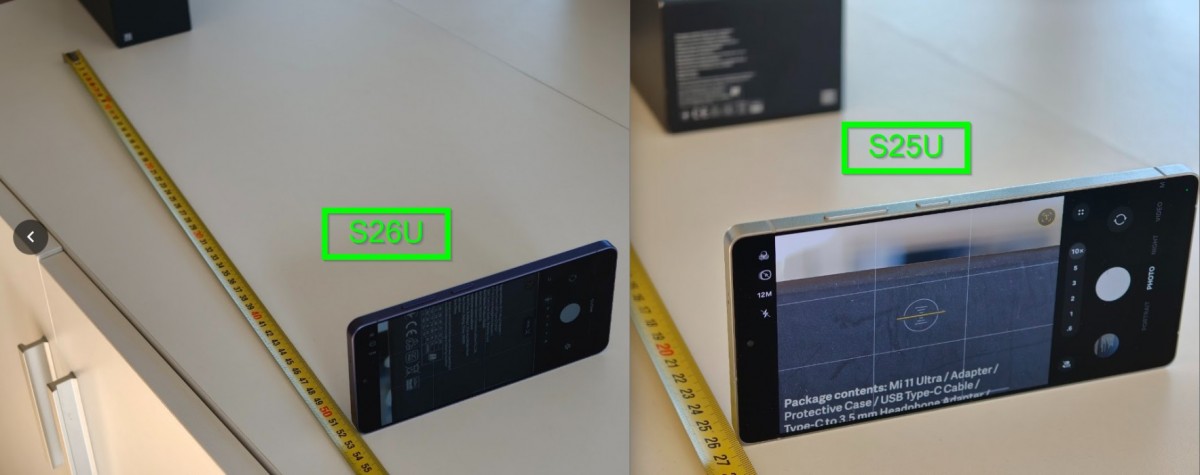
Beyond the physical distance of focus, the move to ALoP has fundamentally altered the aesthetic quality of the "bokeh," or the out-of-focus areas of an image. In a traditional periscope system, the light must pass through a rectangular prism at the very start of its journey. This often results in "truncated" or rectangular-shaped bokeh balls when capturing background lights. Because the ALoP design places the circular lens elements ahead of the prism, the light path remains unobstructed by the rectangular geometry of the prism housing for a longer duration. Consequently, the Galaxy S26 Ultra produces oval or nearly circular bokeh, which many photographers find more pleasing and reminiscent of professional-grade DSLR lenses. This shift suggests that Samsung prioritized the "soul" and character of the image over the raw utility of the macro-focusing range.
The primary motivation behind the adoption of ALoP technology appears to be the pursuit of a faster aperture and a more compact physical footprint. In the world of optics, a wider aperture allows more light to reach the sensor, which is critical for maintaining image clarity and reducing noise in low-light environments. Conventional folded zoom modules are often limited in aperture size because increasing the lens diameter would require a thicker phone. By placing the lenses on top of the prism, Samsung can implement a wider aperture without significantly increasing the "camera bump" or the overall thickness of the Galaxy S26 Ultra. This allows the 5x zoom to perform better at twilight or in indoor settings, where previous telephoto lenses often struggled and forced the software to revert to a digitally cropped version of the primary sensor.
Interestingly, Samsung’s marketing department has been notably quiet regarding the "periscope" terminology that was once a staple of their promotional campaigns. The technical specifications for the Galaxy S26 Ultra omit the word entirely, whereas it was featured prominently in the literature for the S25 Ultra. This omission likely stems from the fact that ALoP is a hybrid evolution. While it still uses a prism to "fold" the light path—technically meeting the definition of a periscope—the internal layout is sufficiently different that Samsung may wish to distance the product from older technology. Furthermore, the ALoP module is significantly shorter than traditional folded zoom modules. By reducing the length of the camera assembly, Samsung frees up valuable internal space for other components, such as larger cooling vapor chambers or increased battery capacity, both of which are under high demand due to the power requirements of modern mobile AI processing.
The industry’s reaction to this change has been one of cautious curiosity. Analysts from GSMArena and other technical outlets have noted that while the ALoP design solves the "thickness" problem that has plagued ultra-premium smartphones, the compromise on focusing distance may alienate a specific segment of the power-user base. Samsung’s Mobile division has historically been criticized for prioritizing hardware specifications that look good on paper over real-world usability, but the move to ALoP seems to be a calculated gamble. The company is betting that the benefits of a more compact design, a faster aperture for better night shots, and a more "pro" bokeh aesthetic will outweigh the loss of close-range focusing for the majority of consumers.
As the Galaxy S26 Ultra reaches the hands of more users, the real-world implications of this optical shift will become clearer. Early comparisons suggest that the 5x zoom remains a formidable tool for portraiture and distance photography, with the improved aperture providing a noticeable boost in dynamic range during golden hour shooting. However, the 52cm minimum focus distance remains a point of contention for those who had grown accustomed to the versatile optics of the S25 Ultra.
In the broader context of the smartphone industry, Samsung’s adoption of ALoP may signal a new trend. As sensors continue to grow in size, the "traditional" periscope design is reaching a physical limit where it can no longer fit within a standard smartphone frame without making the device unwieldy. ALoP offers a path forward, allowing for larger sensors and wider apertures while maintaining a sleek profile. Whether this technology will eventually bridge the gap and regain the lost focusing distance in future iterations remains to be seen. For now, the Galaxy S26 Ultra stands as a testament to the difficult engineering choices required to push the boundaries of mobile imaging, proving that even in the world of high-tech flagships, every gain in one area often necessitates a sacrifice in another. For the S26 Ultra, that sacrifice is the macro-telephoto shot, traded in exchange for a brighter, more compact, and aesthetically refined zooming experience.
