
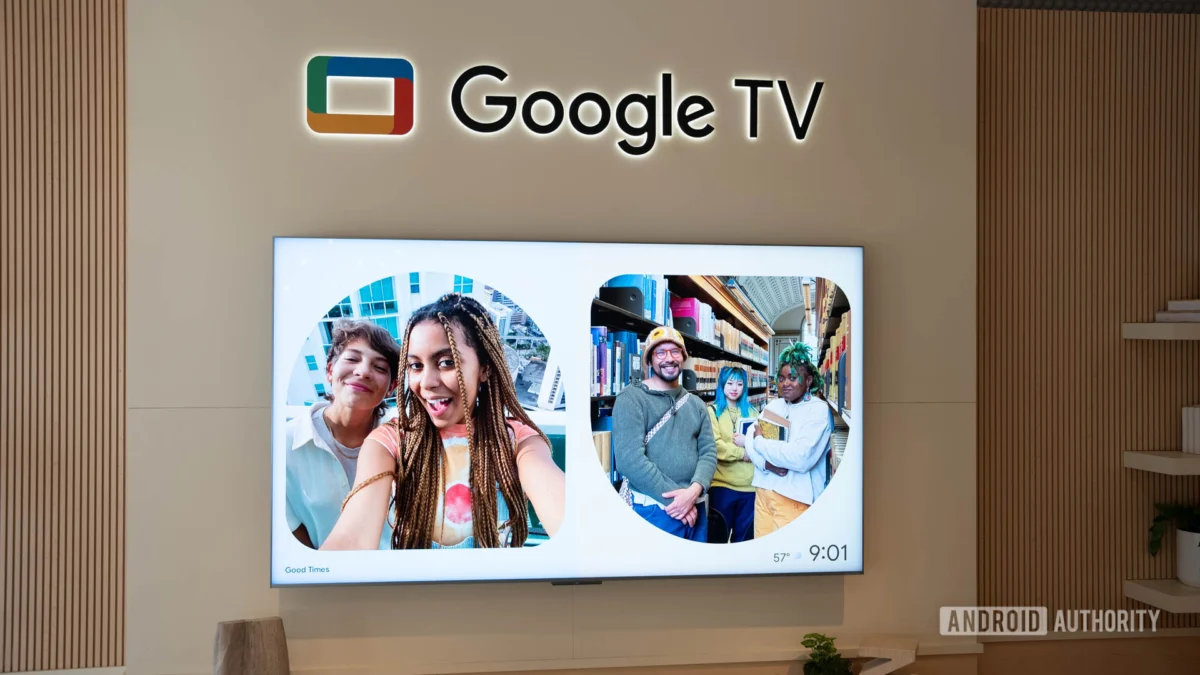
In a move that signals a significant escalation in the ongoing friction between traditional media and Silicon Valley, a powerful coalition of European broadcasters has formally petitioned European Union antitrust regulators to curb the growing dominance of global technology giants over the smart TV ecosystem. The Association of Commercial Television and Video on Demand Services in Europe (ACT), representing a formidable roster of media titans including Canal+, Disney, ITV, NBCUniversal, Paramount+, RTL, Sky, TF1 Groupe, and Warner Bros. Discovery, has sounded the alarm regarding the disproportionate influence wielded by platforms such as Google TV, Amazon Fire TV, and Samsung’s Tizen operating system.
The core of the grievance lies in the shifting architecture of media consumption. For decades, broadcasters controlled the "last mile" of content delivery through terrestrial, satellite, or cable signals. However, in the modern era, the gateway to the viewer is no longer a physical tuner but a digital interface—an operating system owned and managed by a handful of multi-billion-dollar technology corporations. The ACT argues that these platforms have evolved into "gatekeepers" in the truest sense of the word, possessing the technical and algorithmic power to determine which shows are discovered, which apps are prioritized, and ultimately, which media companies survive in an increasingly crowded marketplace.
Central to the broadcasters’ demand is the Digital Markets Act (DMA), the European Union’s landmark piece of legislation designed to ensure fair and contestable markets in the digital sector. Currently, the DMA designates certain large digital platforms as gatekeepers based on specific criteria, such as annual turnover, market capitalization, and the number of monthly active users. Once designated, these companies must adhere to a strict set of "dos and don’ts," which include prohibitions against self-preferencing—the practice of a platform favoring its own products or services over those of third-party competitors.
The ACT is now urging the European Commission to expand the scope of the DMA to explicitly include smart TV operating systems and their associated hardware. According to industry data cited by the group, a mere handful of operators now control approximately 70% of the European smart TV market. Samsung’s Tizen platform leads the pack with a 24% market share, closely followed by Google’s Android TV (and its successor, Google TV) at 23%. Amazon’s Fire TV OS rounds out the top three with a 13% share. The broadcasters contend that this concentration of power allows these tech giants to dictate terms to content creators, often to the detriment of local European media ecosystems.
The dangers of this power imbalance are not merely theoretical. The ACT pointed to a high-profile dispute between Disney and YouTube TV in late 2025 as a cautionary tale. The disagreement over carriage fees and distribution rights resulted in a three-week "blackout," during which millions of viewers lost access to Disney-owned channels. While such disputes have occurred in the cable era, the broadcasters argue that the digital landscape offers platforms even more insidious ways to exert pressure. For instance, a smart TV manufacturer could subtly bury a rival’s streaming app deep within a sub-menu or ensure that its own proprietary streaming service is the default result for any voice-activated search.
"A limited number of operators are gaining a growing ability to shape outcomes for millions of users and businesses," the ACT stated in its communication to regulators. The group argues that without DMA oversight, companies like Amazon and Google can leverage their operating systems to create "walled gardens." In such an environment, Amazon could technically and algorithmically prioritize Prime Video content over offerings from local broadcasters like RTL or ITV, effectively steering consumer behavior through interface design.
The broadcasters’ concerns extend beyond the television screen to the burgeoning world of artificial intelligence and virtual assistants. The petition specifically names Amazon’s Alexa, Google’s Gemini, and Apple’s Siri as critical points of influence that must be regulated. As consumers increasingly use voice commands to find movies, news, or music—whether on a smartphone, a smart speaker, or an in-car infotainment system—the algorithms powering these assistants become the ultimate curators of information.
The ACT has made a strategic plea for the EU to overlook its traditional revenue and user-base thresholds when it comes to these AI-driven interfaces. They argue that even if a specific virtual assistant does not yet meet the 45 million monthly active user mark or the 75 billion euro market capitalization requirement, its qualitative impact on media pluralism and market competition is profound. The group warned of a "regulatory void" where powerful AI assistants could become de facto gatekeepers for media content without being subject to the transparency and fairness obligations mandated by the DMA.
This push for expanded regulation comes at a time when the European Commission is already scrutinizing the role of generative AI. Regulators are currently assessing whether AI chatbots, such as OpenAI’s ChatGPT, should be classified under the DMA framework. The broadcasters argue that if a chatbot or a virtual assistant is the primary way a citizen accesses news or entertainment, the company behind that AI holds a level of social and economic power that necessitates strict oversight.
The implications of this regulatory battle are significant for the future of European culture and sovereignty. Broadcasters argue that they are subject to rigorous national and regional regulations regarding content standards, advertising limits, and investments in local production—rules that the global tech platforms often bypass. By subjecting the platforms to the DMA, the ACT hopes to ensure a "level playing field" where European content is not sidelined by the global interests of American and South Korean conglomerates.
If the European Commission heeds the ACT’s call, the resulting changes could be transformative for the end-user experience. Under DMA obligations, smart TV platforms would be required to provide neutral search results. For example, a search for a "police drama" would have to display results from all available services—such as Netflix, local public broadcasters, and niche streaming sites—with equal prominence, rather than defaulting to the platform’s own rental store or subscription service. Furthermore, users would likely find it much easier to uninstall pre-installed apps and switch between different service providers without facing "dark patterns" designed to discourage them from leaving a specific ecosystem.
The tech giants, for their part, have historically defended their ecosystems by arguing that their integrated hardware and software provide a seamless, high-quality user experience. They contend that the curated nature of their platforms protects users from low-quality content and security vulnerabilities. However, as the line between a service provider and a content competitor continues to blur—with Amazon, Google, and Apple all investing billions in their own original programming—the "neutral platform" defense is becoming increasingly difficult to maintain.
As the European Commission prepares its resolution on the inclusion of AI and potentially smart TV platforms under the DMA, the global media industry is watching closely. The outcome will likely set a worldwide precedent for how the digital gatekeepers of the 21st century are governed. For Europe’s TV giants, the goal is clear: to ensure that the "on" button on a remote control remains a gateway to a diverse world of content, rather than a funnel into a single corporate empire. The battle for the living room is no longer about who has the biggest screen, but about who controls the code that decides what appears on it.
