

In the rapidly evolving landscape of wearable technology, where hardware cycles typically render devices obsolete within two or three years, the Samsung Galaxy Watch 4 occupies a peculiar position. Launched in 2021, this device marked a seismic shift for Samsung, as it abandoned its proprietary Tizen operating system in favor of a collaborative effort with Google on Wear OS. Yet, as the industry marches toward the release of ever-more-sophisticated successors, a growing contingent of users finds that the most compelling reason to stay within the Samsung ecosystem—or to hold onto aging hardware—is a feature that debuted half a decade ago. The body composition monitor, powered by Bioelectrical Impedance Analysis (BIA), remains an unparalleled tool in the smartwatch market, offering a level of physiological insight that newer, more hyped features have yet to match.
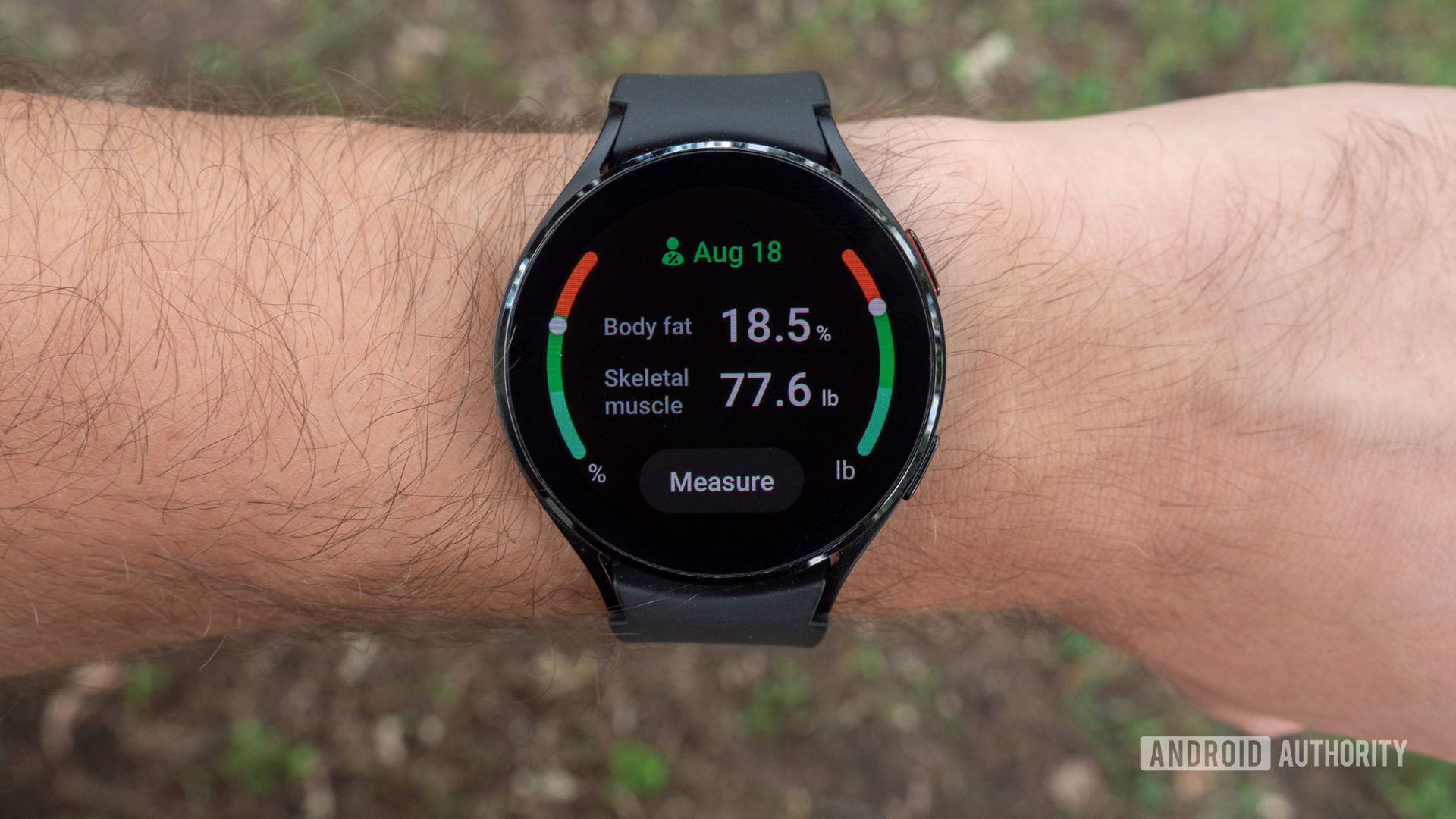
The Galaxy Watch 4 was the first consumer-grade smartwatch to integrate a BIA sensor, a feat of engineering that condensed technology typically found in high-end smart scales or clinical settings into a wrist-worn form factor. To understand why this feature remains the pinnacle of Samsung’s wearable offerings, one must look at the mechanics of the sensor itself. The BIA process involves sending a low-level, imperceptible electrical current through the body. Because different tissues have varying levels of water content, they conduct electricity differently. Muscle, which is rich in water and electrolytes, acts as a conductor, allowing the signal to pass with low resistance. Conversely, body fat contains significantly less water and acts as an insulator, creating higher resistance, or impedance. By measuring the speed and strength of this signal as it travels from the back of the watch through the arm and back to the fingers placed on the side buttons, the device can estimate skeletal muscle mass, basal metabolic rate, body water percentage, and overall body fat.
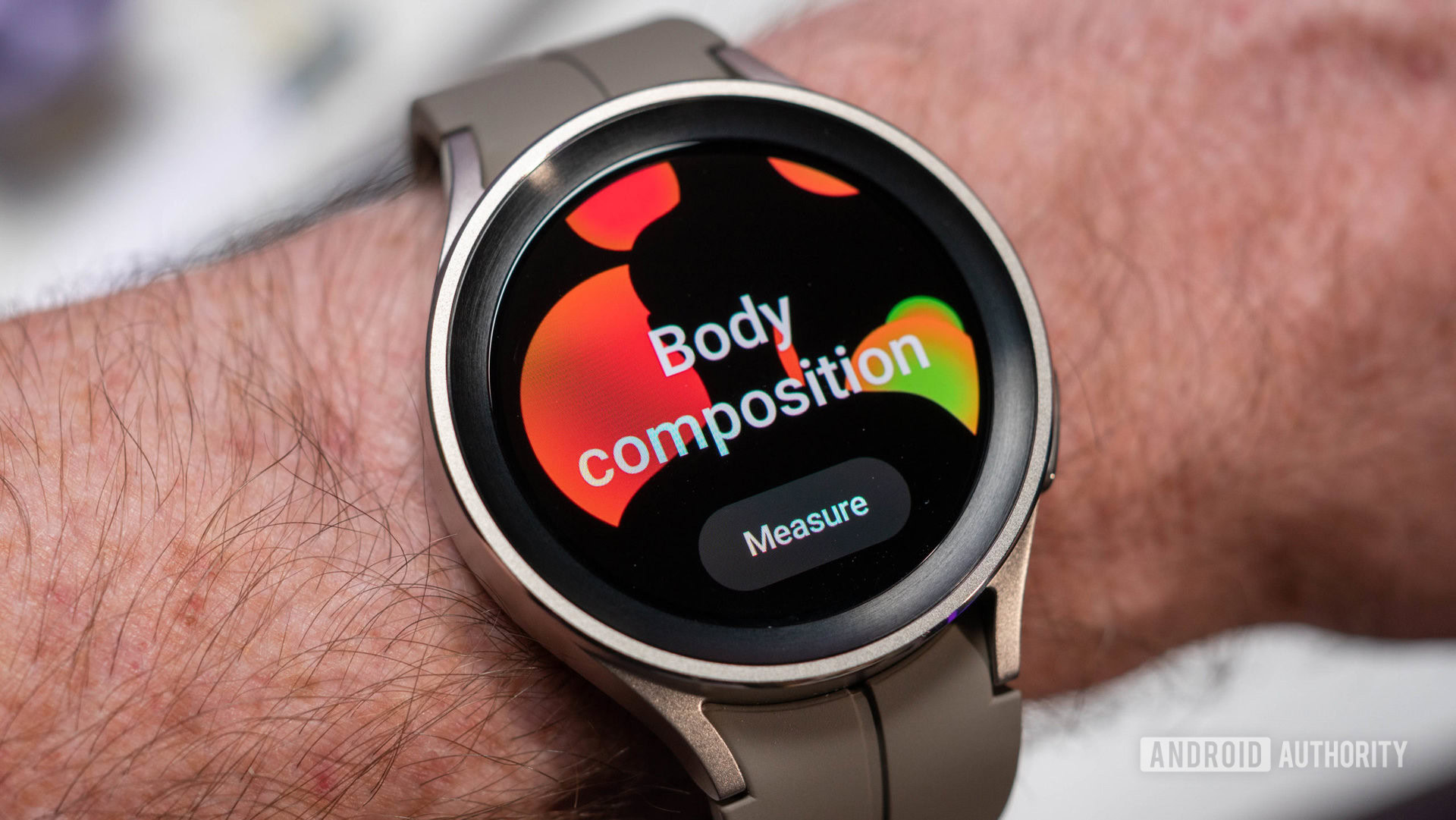
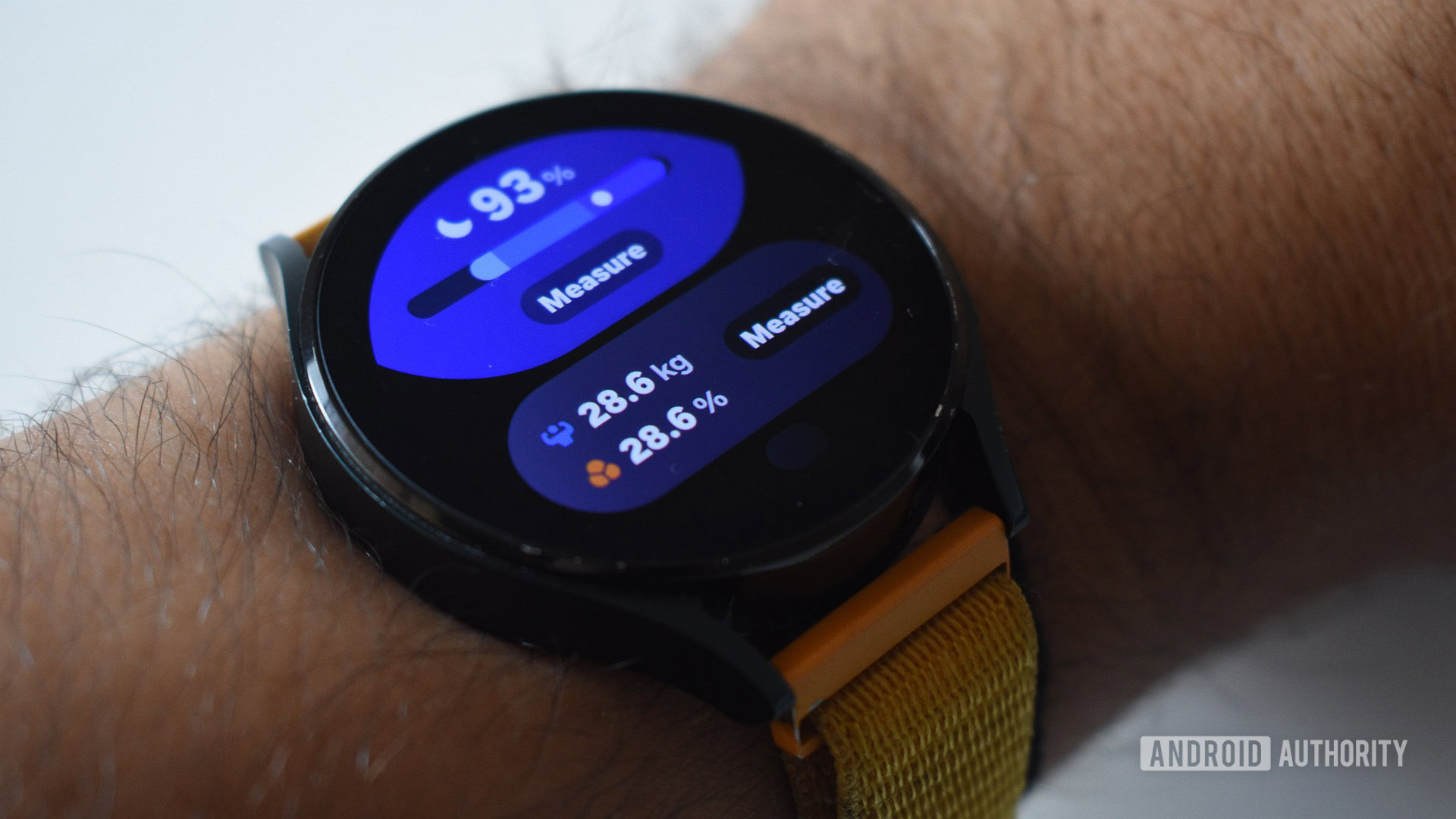
While skeptics often point to the inherent limitations of wrist-based BIA measurements, the value of the tool lies not in absolute clinical precision, but in longitudinal tracking. In the world of fitness and health, "perfect" data is often the enemy of "useful" data. Clinical gold standards, such as Dual-Energy X-ray Absorptiometry (DEXA) scans or hydrostatic weighing, are expensive and inaccessible for daily use. A smartwatch that provides a consistent, albeit estimated, snapshot of one’s physical makeup allows for the observation of trends over weeks and months. For a user engaged in a "body recomposition" phase—the difficult process of simultaneously losing fat and gaining muscle—traditional metrics like body weight are notoriously deceptive. A person might spend a month training intensely and see no change on the scale, leading to frustration and a potential loss of motivation. However, a body composition monitor can reveal the underlying truth: that the user has lost two pounds of fat while gaining two pounds of muscle. This distinction is the difference between perceived failure and actual success.
The enduring relevance of the BIA sensor is highlighted by the perceived shortcomings of the features that have followed it. In recent years, Samsung has introduced several "AI-driven" metrics designed to provide a more holistic view of health, such as the Energy Score and the AGEs (Advanced Glycation End-products) index. The Energy Score, introduced with the latest generations of the Galaxy Watch, attempts to synthesize sleep data, heart rate variability, and previous activity levels into a single numerical value that dictates how "ready" a user is for the day. However, this feature often falls victim to the "black box" problem of algorithmic health tracking. Users frequently report contradictory advice, where the watch might provide a high energy score but simultaneously suggest a "rest day." This lack of transparency and actionable clarity makes it difficult for serious fitness enthusiasts to integrate such scores into a rigorous training regimen.
Similarly, the AGEs index, which purports to measure metabolic health and biological aging via the skin’s optical properties, has faced criticism for its complexity and lack of immediate utility. Reports indicate that the metric’s accuracy is heavily dependent on meticulous manual data entry, such as logging every meal and water intake within the Samsung Health app. For the average user, the friction created by such requirements often leads to the feature being abandoned. In contrast, the body composition measurement requires only a fifteen-second commitment and provides raw, understandable data points that directly correlate to physical changes the user can feel and see.
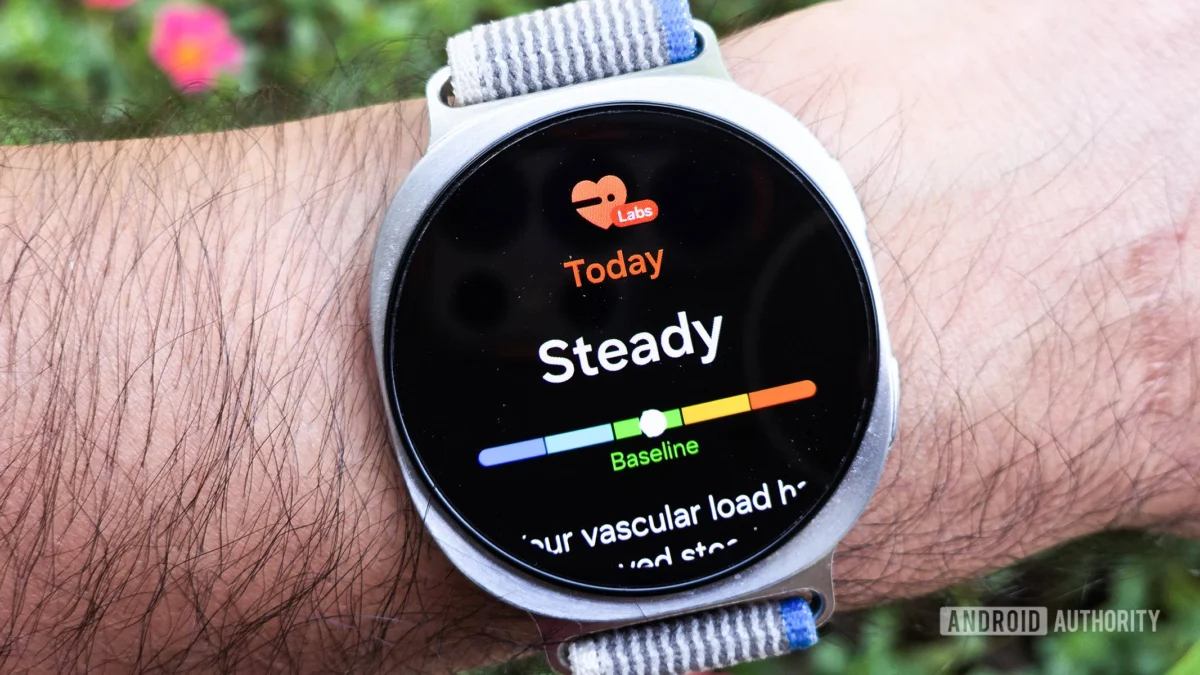
Furthermore, newer heart-centric features like Vascular Load, while technologically impressive, serve a different purpose entirely. While preventative heart health monitoring is a vital frontier for wearables, it does not offer the same motivational or instructional feedback for daily fitness goals that body composition does. Knowing one’s vascular load may be important for long-term health, but it does not help a user decide whether to increase their protein intake or add another day of resistance training to their weekly schedule.
The hardware evolution of the Galaxy Watch series—from the Watch 4 to the Watch 5 Pro, Watch 6 Classic, and the recent Watch 7 and Ultra—has certainly brought improvements in battery life, display brightness, and processor speed. The transition to sapphire crystal glass and titanium casings has made the devices more durable, and the refined sensor arrays have improved heart rate tracking during high-intensity interval training (HIIT). Yet, for many, these are incremental upgrades rather than revolutionary shifts. The core experience of using a Galaxy Watch for health tracking is still anchored by the BIA sensor. This creates a unique situation where a user owning a three-year-old Galaxy Watch 4 feels little pressure to upgrade, as their current device already possesses the "killer app" of the ecosystem.
Samsung’s struggle to top the body composition feature speaks to a broader challenge in the wearable industry: the transition from "data collection" to "meaningful insight." Most modern smartwatches are excellent at collecting data—they can track steps, floors climbed, blood oxygen levels, and even skin temperature. The difficulty lies in making that data mean something to the user’s life. The body composition monitor succeeded because it provided an answer to a specific, universal question: "Is my workout actually changing my body?" By providing a breakdown of muscle versus fat, Samsung gave users a tool to validate their efforts in the gym and the kitchen.
As we look toward the future of the Galaxy Watch line, the challenge for Samsung will be to refine this existing technology while finding a new "north star" metric that is equally impactful. Potential avenues could include non-invasive glucose monitoring or more sophisticated hydration tracking, both of which would provide the same level of actionable, raw data that BIA currently offers. Until such a breakthrough occurs, the Galaxy Watch 4 and its successors will continue to be defined by a feature that many initially dismissed as a gimmick.
For the dedicated user, the longevity of the Galaxy Watch 4 is a testament to the idea that a single, well-executed feature can outweigh a dozen minor iterations. While the tech world is often obsessed with the "new," there is a profound value in the "useful." The body composition monitor remains an underrated gem because it respects the user’s intelligence, providing them with the data they need to make their own informed decisions about their health. As long as this remains the case, the 2021 flagship will continue to hold its own against the giants of today, proving that in the world of wearable tech, true innovation has a very long shelf life.
