

The fundamental purpose of a smartphone is to ensure that its owner remains reachable, yet a growing number of Google Pixel users are finding themselves increasingly isolated due to a sophisticated and highly specific software glitch. Reports have surged across various community forums and support channels indicating that the haptic feedback system on Pixel devices is failing to activate during incoming calls. This issue, which appears to have been triggered by recent system updates, creates a frustrating scenario where the device remains silent and motionless while a call is active, only to vibrate mockingly once the caller has hung up. This "delayed vibration" phenomenon has left users baffled, as the hardware itself remains functional for every other aspect of the Android experience, pointing toward a deep-seated logic error within the operating system’s telephony framework.
The mechanics of the bug are particularly peculiar. Under normal circumstances, when a device is set to "Vibrate" or "Sound and Vibration," the linear resonant actuator—the hardware responsible for haptics—should trigger immediately upon the detection of an incoming signal. However, affected Pixel users report a complete absence of movement during the ringing phase. The irony is compounded by the fact that the moment the call is missed and the notification for the missed call appears on the lock screen, the vibration motor fires perfectly. This confirms that the motor is not physically damaged; rather, the software instruction to vibrate is being bypassed or deprioritized during the active call state, only to be "remembered" by the system once the call event has concluded.

This haptic inconsistency does not extend to the rest of the user interface. Users have noted that haptic feedback remains crisp and responsive during gesture navigation, typing on the Gboard keyboard, and receiving notifications from third-party applications like WhatsApp or Slack. The isolation of the problem to the native phone application suggests a conflict within the Android "Telecom" subsystem or a regression in how the OS handles priority-level interruptions. For many, this is more than a minor inconvenience; professionals who rely on their phones being in their pockets during meetings or in loud environments are missing critical communications because they cannot feel the device notifying them of an incoming connection.
The scope of the problem is alarmingly broad, suggesting that the bug is not tied to a specific hardware component but rather to a shared software architecture. While one might expect such issues to be confined to older, legacy hardware, the reality is quite the opposite. Owners of the latest Pixel 10 series flagships have reported the same silent treatment as those using the Pixel 7, 8, and 9 series. The inclusion of the Pixel 10 is especially noteworthy, as it represents Google’s current pinnacle of hardware and software integration. To have a core communication feature fail on a premium flagship suggests a significant lapse in the quality assurance protocols associated with the latest Android builds, including early iterations of Android 16 that some power users have begun to test.
Historical context provides a grim sense of déjà vu for the Pixel community. This is not the first time Google’s smartphones have struggled with their haptic identity. A nearly identical issue plagued the ecosystem in 2024, leading to months of user complaints before a stability patch finally addressed the root cause. The reappearance of this specific glitch suggests a "software regression," a common but frustrating occurrence in complex coding environments where an update intended to add features or fix security holes accidentally reintroduces an old, previously patched bug. For long-term Pixel loyalists, the return of the vibration bug is a reminder of the "growing pains" that have frequently characterized the Google hardware experience.

While the community waits for an official acknowledgement or a server-side fix from Google, several resourceful users have identified workarounds that have proven successful for a significant portion of the affected population. These solutions focus on re-initializing the software flags that control haptic intensity, effectively "waking up" the vibration service for the telephony app.
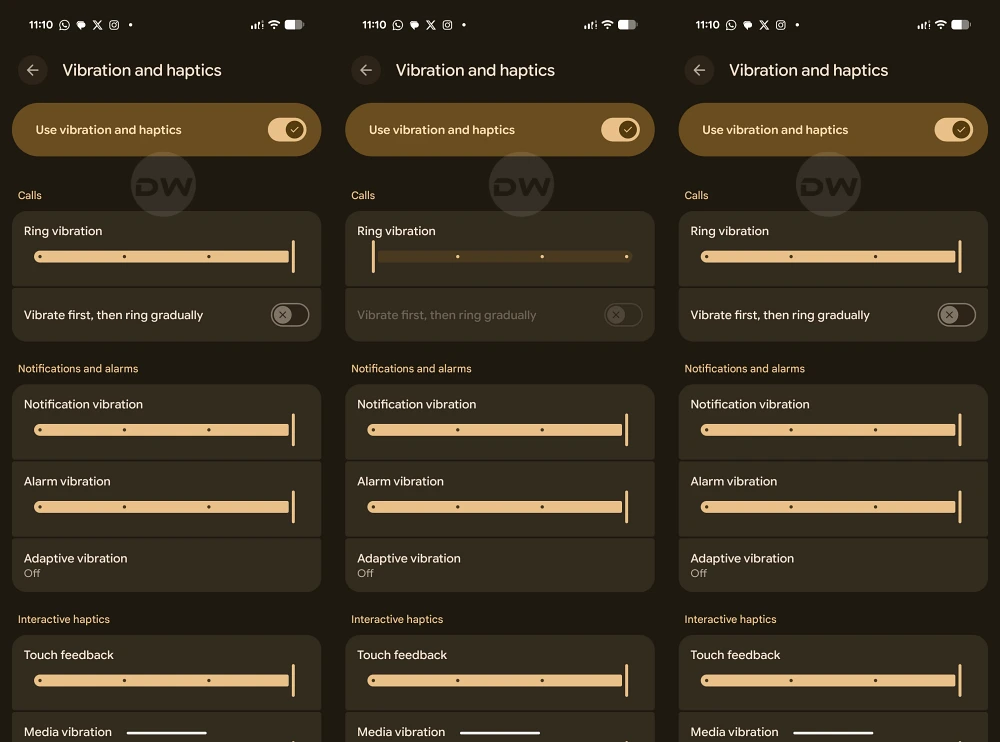
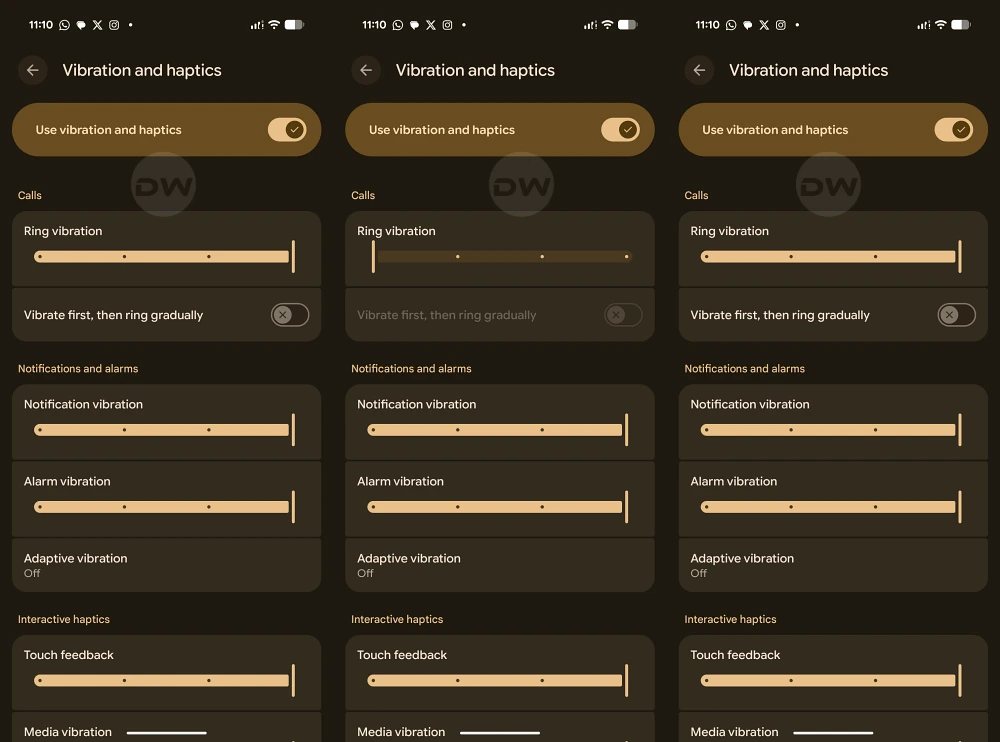
The most successful intervention involves a manual reset of the ring vibration intensity. Software variables can sometimes become "stuck" in a state where the system believes the value is set to zero, even if the user interface shows it as being active. To rectify this, users should navigate to the system settings and locate the "Sound & vibration" menu. From there, selecting "Vibration & haptics" will reveal several sliders. The key is the "Ring vibration" slider. By dragging this slider all the way to the left (zero) and then back to the desired intensity, the user forces the operating system to rewrite the configuration file for that specific haptic trigger. In many cases, this simple act of "cycling" the setting is enough to restore functionality for the next incoming call.
A second, albeit less universal, workaround involves the "Gradual Ringing" feature. Android includes an accessibility and comfort feature labeled "Vibrate first, then ring gradually." This feature is designed to provide a subtle tactile alert before the ringtone reaches full volume, preventing a sudden, loud noise from startling the user. However, there is evidence that the logic governing this staggered alert system is clashing with recent update patches. By disabling this feature entirely—forcing the phone to either vibrate at full strength immediately or ring at a set volume—some users have found that the vibration motor returns to its expected behavior. This suggests that the "ramp-up" instruction in the code might be failing to execute, leaving the phone in a perpetual state of "waiting" to vibrate that never actually begins until the call ends.
The lack of an official response from Google has added to the frustration of the user base. Currently, there is no entry in the official issue trackers that suggests a fix is imminent, and Google’s support representatives have largely stuck to standard troubleshooting scripts, such as factory resetting the device. However, experienced users know that a factory reset is often a nuclear option that may not even solve a bug rooted in the OS image itself. The community remains in a holding pattern, hoping that the next monthly security patch or a "Pixel Feature Drop" will quietly include a fix for the haptic engine.
In the broader context of the smartphone market, these types of bugs represent the double-edged sword of the Pixel brand. On one hand, Pixel users receive the most frequent updates and the latest innovations directly from the architects of Android. On the other hand, the rapid pace of development often leads to the "beta-tester" phenomenon, where consumers encounter glitches that might have been caught in a more conservative update cycle. The vibration issue is a quintessential example of this trade-off: a high-tech device with industry-leading AI capabilities failing at the most basic mechanical task of vibrating during a phone call.
For now, those affected are encouraged to experiment with the ring vibration reset and the disabling of gradual ringing. While these are not permanent fixes, they offer a temporary bridge until Google’s engineering team can identify the specific line of code responsible for this haptic amnesia. Until then, Pixel owners are advised to keep their devices within eyesight or paired with a smartwatch, ensuring that a software glitch doesn’t lead to a missed opportunity or an urgent call left unanswered. As the situation evolves and more data becomes available from the Android developer community, we will continue to provide updates on the status of a permanent resolution.
