

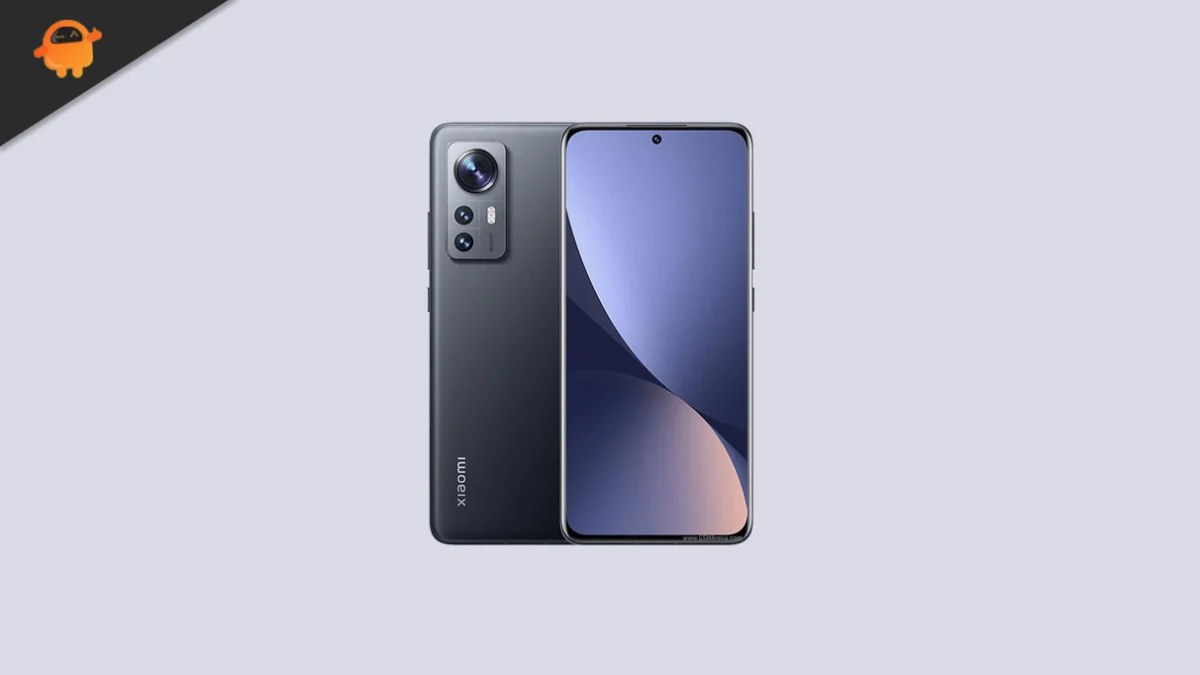
The landscape of mobile operating systems is currently witnessing a significant shift as Google accelerates the deployment of its latest software iteration, Android 16. While the tech giant traditionally prioritizes its proprietary Pixel lineup for these updates, the global community of independent developers has once again demonstrated its prowess by bridging the gap for older flagship devices. Among the most notable beneficiaries of this community-driven effort is the Xiaomi 12X, a device that, despite its age, continues to boast hardware specifications capable of handling the rigors of modern software. By leveraging unofficial Android Open Source Project (AOSP) builds, users can now bypass official manufacturer timelines and breathe new life into their compact flagships, experiencing the cutting-edge features of Android 16 today.
The Xiaomi 12X occupies a unique position in the smartphone market. Launched in late 2021, it was designed as a "compact flagship," catering to a segment of users who demand high-end performance without the cumbersome dimensions of modern "Ultra" or "Pro Max" models. At its heart lies the Qualcomm Snapdragon 870 5G chipset. While newer processors have since entered the market, the Snapdragon 870 remains legendary among enthusiasts for its exceptional thermal management and sustained performance, often outperforming its immediate successor, the Snapdragon 888, in long-term stability. This silicon foundation, paired with the Adreno 650 GPU and up to 12GB of LPDDR5 RAM, provides the necessary computational overhead to run Android 16’s sophisticated new UI elements and system-level optimizations.
![How to Install Android 16 on Xiaomi 12X [Download Link]](https://www.getdroidtips.com/wp-content/uploads/2022/01/Xiaomi-12X.jpg)
The visual experience of the Xiaomi 12X is equally impressive, featuring a 6.28-inch AMOLED panel that supports 68 billion colors and a 120Hz refresh rate. With Dolby Vision and HDR10+ certification, the display serves as an ideal canvas for Android 16’s most significant user-facing update: Material 3 Expressive. This design evolution represents a refined maturation of the Material You philosophy introduced in previous versions. Rather than a total departure from established norms, Material 3 Expressive focuses on the "polish" of the user interface. It introduces more dynamic, fluid animations that respond with greater sensitivity to user touch, alongside larger, more accessible touch targets and a bolder approach to typography. For the Xiaomi 12X user, this means an interface that feels faster and more responsive, taking full advantage of the 120Hz high-refresh-rate display to deliver a buttery-smooth navigation experience.
Beyond the aesthetic upgrades, Android 16 introduces a suite of under-the-hood enhancements designed to improve system longevity and efficiency. These include refined background process management and updated privacy controls that offer users more granular oversight of their data. For a device like the Xiaomi 12X, which relies on a 4,500 mAh battery, these system-level optimizations are crucial for maintaining all-day battery life. While the device already supports 67W wired fast charging—capable of a full charge in under 40 minutes—the increased efficiency of Android 16 helps ensure that users spend less time tethered to a wall outlet.
However, the transition to an unofficial Android 16 build is a technical endeavor that requires precision and a clear understanding of the risks involved. Because this is an unofficial AOSP port, it does not come through the standard Over-The-Air (OTA) update channels provided by Xiaomi. Instead, it requires the manual flashing of custom firmware, a process that necessitates several prerequisites. First and foremost is the necessity of a comprehensive data backup. The installation of a custom ROM involves wiping the device’s internal storage, meaning all photos, messages, and application data will be lost unless secured elsewhere.
![How to Install Android 16 on Xiaomi 12X [Download Link]](https://www.getdroidtips.com/wp-content/uploads/2022/01/Xiaomi-12X-300x169.jpg)
The technical foundation for this installation rests on three pillars: an unlocked bootloader, a custom recovery environment, and the appropriate driver interface on a host computer. Unlocking the bootloader is the most critical first step. Xiaomi’s bootloader remains locked by default to protect the integrity of the system software, but the company provides official tools for users to request an unlock. It is important to note that this process often involves a waiting period and will result in a factory reset of the device. Once the bootloader is unlocked, users must install a custom recovery, such as TWRP (Team Win Recovery Project). This recovery replaces the stock software and allows the user to "flash" or install third-party ZIP files, including the Android 16 ROM itself.
On the hardware side, a stable connection between the Xiaomi 12X and a PC is mandatory. This requires the installation of the latest Xiaomi USB drivers and the ADB (Android Debug Bridge) and Fastboot binaries. These command-line utilities act as the communication bridge, allowing the computer to send complex instructions to the phone while it is in its bootloader or recovery state. Ensuring the device has at least a 50% battery charge is also vital; a sudden power loss during the flashing process can result in a "brick," rendering the device non-functional.
The software package for this upgrade typically consists of two main components: the Android 16 ROM file and the GApps (Google Apps) package. Because AOSP builds are "clean" versions of Android, they do not inherently include Google’s proprietary services like the Play Store, Gmail, or Maps. To regain access to the Google ecosystem, users must flash a compatible Android 16 GApps package immediately after the ROM installation. This sequence is vital; rebooting the system between the ROM flash and the GApps flash can often lead to stability issues or "boot loops."
![How to Install Android 16 on Xiaomi 12X [Download Link]](https://www.getdroidtips.com/wp-content/uploads/2020/06/cmd-platform-tools.jpg)
The actual installation process follows a logical, step-by-step progression within the TWRP recovery environment. After booting into recovery, the user must perform a "Clean Wipe," which targets the Dalvik Cache, System, Data, and Cache partitions. This ensures that no remnants of the previous operating system interfere with the new Android 16 files. Once the wipe is complete, the user navigates to the "Install" section of TWRP, selects the Android 16 ROM ZIP file, and initiates the flash. Following the ROM, the GApps package is flashed in the same manner.
Upon completion, the first boot of the new OS is a moment of anticipation. It is standard for the initial boot sequence to take significantly longer than usual—sometimes up to ten minutes—as the system configures new encrypted partitions and optimizes the fresh installation. Once the "Welcome" screen appears, the Xiaomi 12X is effectively reborn. Users will find themselves greeted by a near-stock Android experience, devoid of the heavy "bloatware" often associated with manufacturer skins. This "de-bloated" environment often results in a noticeable performance boost, as the Snapdragon 870 is no longer burdened by unnecessary background processes.
While the current builds of Android 16 for the Xiaomi 12X are remarkably stable, users should remain aware that they are participating in an ongoing developmental project. In the world of custom ROMs, "What Works" usually covers the essentials: cellular connectivity, Wi-Fi, Bluetooth, camera functionality, and biometric security. However, minor bugs may occasionally surface in specific edge cases. The community relies on "logcat" reports—technical logs generated by the device—to identify and squash these bugs in subsequent updates.
![How to Install Android 16 on Xiaomi 12X [Download Link]](https://www.getdroidtips.com/wp-content/uploads/2020/08/twrp-custom-rom.jpg)
Ultimately, installing Android 16 on the Xiaomi 12X is more than just a software update; it is a statement on the longevity of hardware. In an era where many manufacturers push for frequent upgrades, the ability to run the latest operating system on a three-year-old device empowers the consumer. It maximizes the value of the original investment and reduces electronic waste by keeping capable hardware in active use. For the Xiaomi 12X owner, Android 16 offers a glimpse into the future of mobile design, proving that with a dedicated developer community, a "compact flagship" can remain at the forefront of the technological curve for years to come.
