

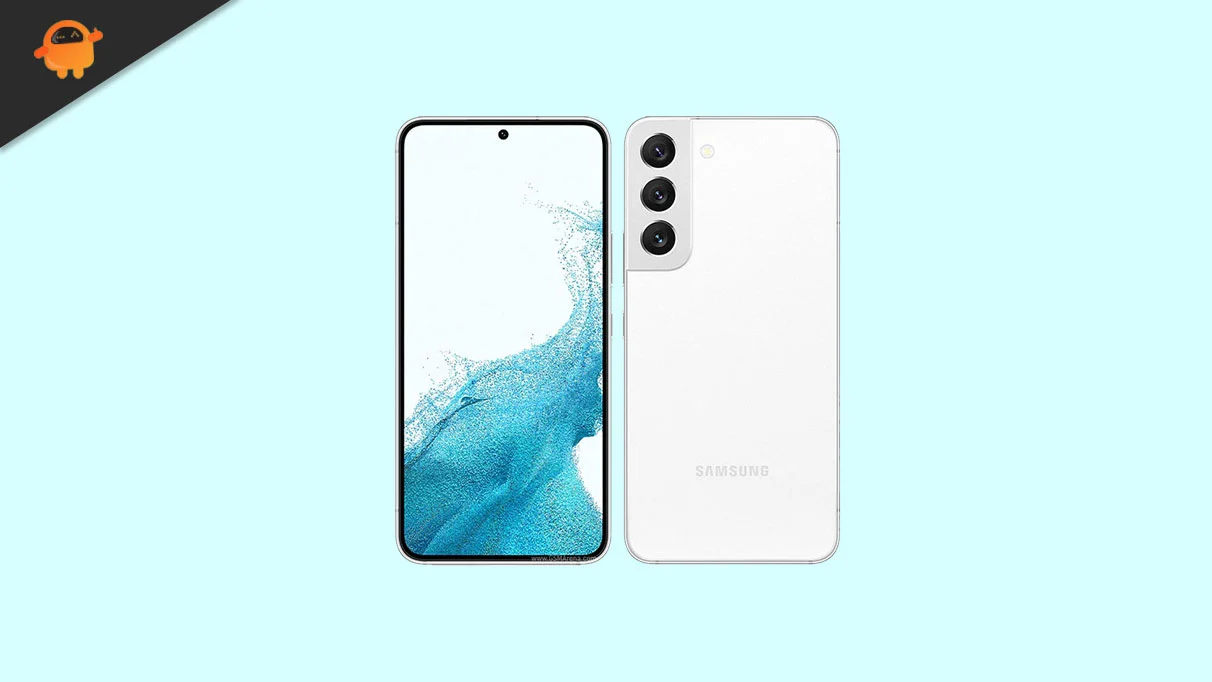
The Samsung Galaxy S22 and S22 Plus, once the vanguards of the mobile industry, find themselves at a crossroads as the software landscape shifts toward the next generation of mobile computing. While official manufacturer support eventually tapers off, the Android enthusiast community remains a bastion of longevity, breathing new life into older hardware through the power of custom ROMs. With the recent debut of Android 16 on Google’s own Pixel lineup, independent developers have moved with unprecedented speed to port the latest operating system to the Galaxy S22 series. This transition from official One UI firmware to an unofficial Android Open Source Project (AOSP) build represents more than just a software update; it is a fundamental transformation of the user experience, prioritizing the latest security patches, aesthetic refinements, and system-level optimizations that might otherwise remain inaccessible to these 2022 flagships.
To appreciate the significance of this software leap, one must first revisit the robust hardware foundation of the Galaxy S22. Despite being several years old, the device remains a powerhouse by modern standards. It features a stunning 6.1-inch Dynamic AMOLED 2X display, capable of a 120Hz refresh rate and a peak brightness of 1,300 nits. Protected by Corning Gorilla Glass Victus+, the build quality remains premium. Under the hood, the device is powered by a dual-chipset strategy depending on the region: the Qualcomm Snapdragon 8 Gen 1 or the Samsung-produced Exynos 2200. Both are built on a 4nm architecture and offer sophisticated octa-core processing power. The camera array—led by a 50 MP primary sensor and supported by telephoto and ultrawide lenses—continues to produce professional-grade imagery and 8K video. However, as software evolves, even the most capable hardware requires a modern operating system to maintain peak efficiency and security.
![How to Install Android 16 on Samsung Galaxy S22 and S22 Plus [Download Link]](https://www.getdroidtips.com/wp-content/uploads/2022/04/Samsung-Galaxy-S22.webp)
Android 16 introduces a pivotal shift in Google’s design philosophy, most notably through the debut of "Material 3 Expressive." This is not a mere cosmetic update but a profound evolution of the Material You language introduced in previous versions. Material 3 Expressive focuses on fluidity, responsiveness, and emotional resonance. It introduces more dynamic animations that respond to user touch with organic physics, larger and more intuitive touch targets for improved accessibility, and a bolder approach to typography that enhances readability across various screen sizes. For the Galaxy S22 user, this means the interface feels faster and more modern than the increasingly cluttered aesthetics of older One UI versions. Beyond the visual flair, Android 16 brings deep system optimizations designed to improve battery longevity and thermal management—critical areas for the S22 series, which was occasionally criticized for its modest 3,700 mAh battery capacity and the thermal tendencies of its 4nm processors.
Before embarking on the installation of an Android 16 custom ROM, a user must navigate a series of technical prerequisites that ensure the safety and integrity of the device. The most critical step is the preservation of data. Flashing a custom ROM is a destructive process that requires a complete wipe of the internal storage. Utilizing cloud services or physical backups is non-negotiable. Furthermore, ensuring the device has at least a 50% battery charge is vital; a power failure during the flashing process can result in a "brick," rendering the smartphone unusable.
The technical gateway to Android 16 begins with the unlocking of the bootloader. In the world of Samsung devices, the bootloader is a security layer that prevents the installation of unauthorized software. Unlocking it is a prerequisite for any modification but comes with the caveat of voiding the manufacturer’s warranty and permanently tripping the Knox security flag, which may disable certain financial applications like Samsung Pay. Once the bootloader is unlocked, the next pillar of the installation is the deployment of a custom recovery environment, such as Team Win Recovery Project (TWRP). TWRP serves as a secondary operating system that allows users to wipe partitions, flash image files, and manage the device’s file system without booting into the primary Android OS.
![How to Install Android 16 on Samsung Galaxy S22 and S22 Plus [Download Link]](https://www.getdroidtips.com/wp-content/uploads/2022/04/Samsung-Galaxy-S22-300x169.webp)
In conjunction with TWRP, a user must prepare their computer environment with Android Debug Bridge (ADB) and Fastboot binaries. These command-line tools facilitate communication between a PC and the mobile device, allowing for the transmission of files and the execution of low-level system commands. Alongside these tools, the installation of the latest Samsung USB drivers is essential to ensure a stable data connection, preventing interruptions that could jeopardize the flashing procedure.
The software package itself consists of two primary components: the Android 16 ROM and the Google Apps (GApps) package. Most AOSP-based ROMs are "vanilla," meaning they do not include Google’s proprietary services like the Play Store, Maps, or Gmail out of the box to remain lightweight and legally compliant. Therefore, users must download a compatible Android 16 GApps package to restore the familiar Google ecosystem. It is a technical best practice to flash the ROM and GApps in a single session before the initial reboot to ensure system hooks are correctly established.
The actual installation process is a methodical sequence of events. First, the device is booted into TWRP recovery. Within this environment, the user performs a "Factory Reset" and wipes the System, Data, Cache, and Dalvik partitions. This creates a clean slate, removing any remnants of the old One UI firmware that could cause software conflicts. Following the wipe, the Android 16 ROM file is transferred to the device and installed via the "Install" menu in TWRP. Immediately following the ROM installation—and without rebooting—the GApps package is flashed. Once these steps are completed, the user initiates a system reboot.
![How to Install Android 16 on Samsung Galaxy S22 and S22 Plus [Download Link]](https://www.getdroidtips.com/wp-content/uploads/2020/06/cmd-platform-tools.jpg)
The first boot of a new custom ROM is a period of high intensity for the hardware. The system must build new caches and initialize various background services, a process that can take several minutes. Once the device reaches the setup screen, the user is greeted by a "clean" Android experience, devoid of the "bloatware" often pre-installed by carriers and manufacturers. This leaner version of Android 16 allows the Galaxy S22’s hardware to breathe, often resulting in lower RAM usage and snappier app launches.
While the current builds of Android 16 for the S22 series are remarkably stable, users should approach them with the mindset of an early adopter. In the world of custom development, minor bugs regarding specific sensors or niche connectivity features may persist in early releases. The developer community relies on user feedback and system logs to identify and patch these issues. However, for many, the trade-off is well worth it. By installing Android 16, the user gains access to the latest privacy controls, such as enhanced photo picker permissions and more transparent microphone and camera indicators, ensuring that their aging flagship remains as secure as the newest models on the market.
Ultimately, the ability to run Android 16 on the Samsung Galaxy S22 and S22 Plus serves as a testament to the versatility of the Android platform and the dedication of its global developer base. It transforms a device that might have been considered "mid-lifecycle" into a cutting-edge piece of technology once again. By following the rigorous steps of unlocking, wiping, and flashing, users can bypass the limitations of official update cycles and enjoy a refined, expressive, and high-performance software experience. As the Galaxy S22 series continues to age, these community-driven updates will likely become the primary method for keeping these capable devices relevant in an ever-evolving digital world. The journey toward Android 16 is not merely about having the latest version number; it is about reclaiming control over one’s hardware and ensuring that the premium experience promised at the device’s launch continues for years to come.
