


The landscape of mobile operating systems has undergone a seismic shift with the official rollout of Android 15. While Google’s latest software iteration initially graced the Pixel lineup, the subsequent release of the Android Open Source Project (AOSP) source code has ignited a wave of innovation within the independent developer community. For users of the Oppo A57, a device typically positioned in the entry-level to mid-range segment, this development represents a unique opportunity to bypass official manufacturer timelines and embrace the cutting-edge features of Android 15 through custom ROM distributions.
The Oppo A57 (2022) was originally conceived as a reliable, budget-conscious daily driver. Architected around a 6.56-inch IPS LCD panel with a 90Hz refresh rate, the device provides a fluid visual experience that punches above its weight class. Under the hood, it utilizes the MediaTek Dimensity 810 chipset, a processor known for its balance of power efficiency and capable performance in multitasking and moderate gaming. Accompanied by configurations offering up to 8GB of RAM and 256GB of internal storage, the hardware remains relevant even as software demands increase. However, the proprietary ColorOS skin, while feature-rich, can sometimes introduce overhead that masks the raw potential of the hardware. This is where the transition to a "Vanilla" or AOSP-based Android 15 ROM becomes transformative, stripping away bloatware in favor of a lean, high-performance environment.

Android 15, internally referred to during development as "Vanilla Ice Cream," introduces a suite of enhancements designed to refine the user experience through increased privacy, improved productivity, and optimized resource management. One of the most significant additions is the "Private Space" feature. This allows users to create a sandboxed environment for sensitive applications, effectively hiding them from the main app drawer and protecting them with an additional layer of biometric or PIN-based authentication. For a budget device like the Oppo A57, which may be used for both personal and professional tasks, this level of compartmentalization is a major security upgrade.
Beyond privacy, Android 15 focuses on system-level efficiency. The update introduces refined "Partial Screen Recording," allowing users to record a specific application rather than the entire screen, thereby protecting sensitive notifications from being captured. Furthermore, the "App Archiving" feature has been integrated directly into the system settings, enabling the device to reclaim storage space by removing the executable files of infrequently used apps while preserving their data. Given the storage constraints often faced by entry-level smartphone users, these optimizations ensure the Oppo A57 remains responsive over a longer lifecycle.
The journey to installing Android 15 on the Oppo A57 begins with a rigorous preparation phase. Because custom ROM installation involves modifying the device’s core partitions, users must prioritize data integrity. A comprehensive backup of all personal media, contacts, and documents is mandatory, as the process of unlocking the bootloader triggers a factory reset. Furthermore, maintaining a battery charge of at least 50% is critical to prevent a power failure during the delicate flashing process, which could lead to a software brick.

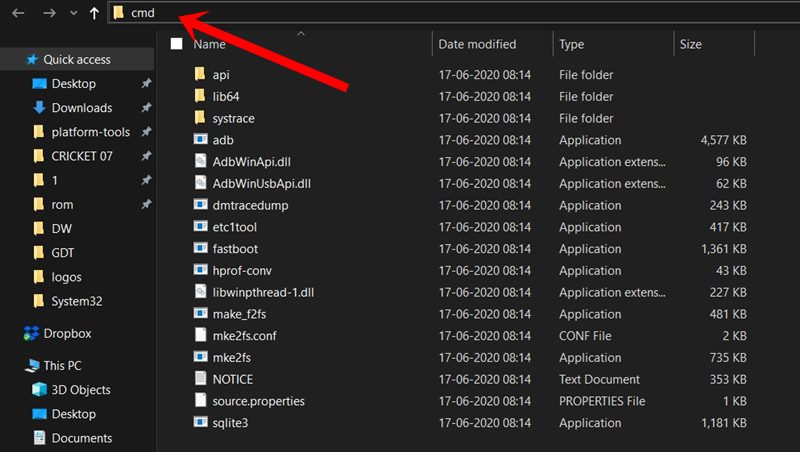
Technically, the installation relies on the Android Debug Bridge (ADB) and Fastboot utilities. These command-line tools serve as the bridge between a desktop computer and the mobile device, allowing for the execution of low-level commands that are inaccessible through the standard user interface. To facilitate this connection, the installation of specific Oppo USB drivers on the host computer is necessary to ensure the hardware is recognized in its various boot modes.
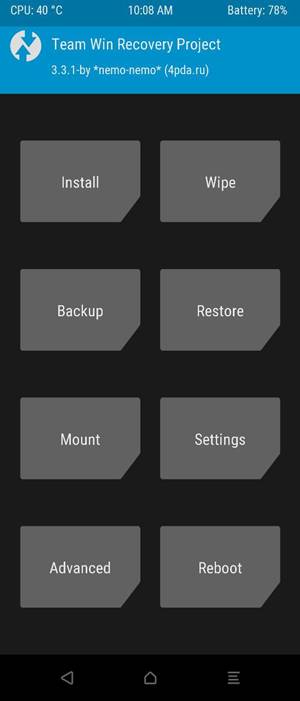
The most pivotal step in this transformation is unlocking the bootloader. The bootloader is a security measure that ensures only manufacturer-signed software can run on the device. By unlocking it, the user gains the authority to install third-party recovery environments and operating systems. On the Oppo A57, this is followed by the installation of Team Win Recovery Project (TWRP). TWRP acts as a sophisticated, touch-based interface that operates independently of the Android OS, providing the tools necessary to wipe system partitions and "flash" the new Android 15 image.
One of the unique challenges of early-stage custom ROMs is the integration of Google Mobile Services (GMS). Since AOSP builds are entirely open-source, they do not ship with proprietary Google apps like the Play Store, Gmail, or Maps. At this stage of the Android 15 lifecycle, dedicated GApps packages specifically tailored for the new version are still in development. However, the community has found a viable workaround using "NikGApps" designed for Android 14. By utilizing the "Core" package, users can inject the fundamental frameworks required for Google services into their Android 15 installation. While this is an unofficial solution, it provides a functional bridge for users who rely on the Google ecosystem.
The actual installation procedure within TWRP involves a "Clean Flash" methodology. This requires the user to navigate to the "Wipe" menu and clear the Data, Cache, and System partitions. This ensures that no residual files from the previous operating system interfere with the new Android 15 architecture. Once the environment is prepared, the Android 15 ROM file and the GApps package are queued for installation. The initial boot sequence following such a major update can be lengthy, as the system must rebuild its cache and initialize new security protocols.
Once the Oppo A57 boots into Android 15, the difference is immediately palpable. The AOSP interface provides a minimalist aesthetic that prioritizes speed and clarity. Users will notice the refined taskbar for multitasking, improved low-light camera processing capabilities, and a more robust theft protection system that uses AI to detect suspicious movements and lock the device automatically. The satellite connectivity support and enhanced earthquake alert systems also add a layer of safety that was previously unavailable on older software versions.
However, it is important to acknowledge the nature of unofficial software. As an AOSP build, this version of Android 15 is maintained by independent contributors rather than a multi-billion-dollar corporation. While the "What’s Working" list for this specific build currently suggests a high level of stability, users should remain vigilant. Minor bugs in Bluetooth connectivity, specific sensor calibrations, or carrier-specific VoLTE settings can occasionally emerge. The beauty of the custom ROM community lies in its iterative nature; users are encouraged to capture logs of any anomalies and report them to developer forums, contributing to the collective improvement of the software.
In conclusion, the availability of Android 15 for the Oppo A57 via custom development represents a triumph of the open-source philosophy. It empowers the user to reclaim control over their hardware, extending its functional life and bringing flagship-grade features to a budget-friendly platform. By following the structured path of unlocking the bootloader, utilizing TWRP, and flashing the AOSP build, Oppo A57 owners can experience the pinnacle of Google’s software vision today. While the process requires technical diligence, the reward is a device that feels brand new—faster, more secure, and equipped with the latest tools to navigate the modern digital world. This guide serves as a testament to the fact that with the right community support, hardware limitations are often just a software update away from being solved.
