

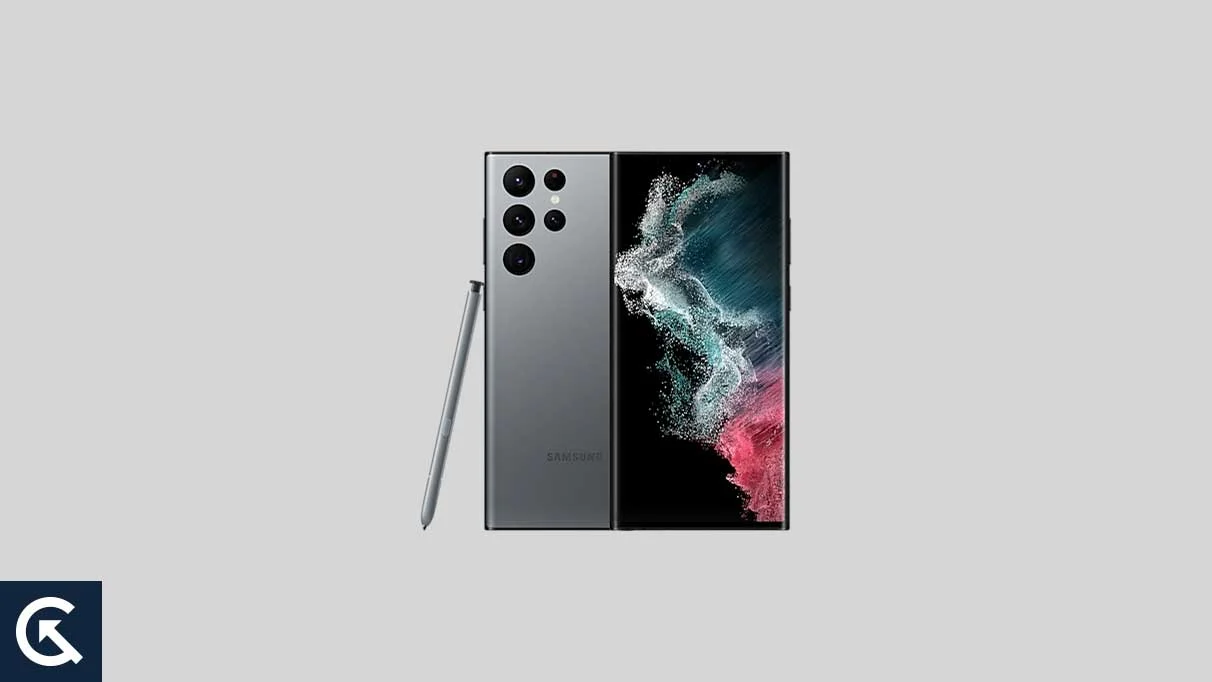
The Samsung Galaxy S22 Ultra, a device that famously bridged the gap between the productivity-focused Note series and the photography-centric S-line, continues to be a powerhouse in the mobile industry years after its initial release. However, as the fast-paced world of mobile software moves toward the next generation of operating systems, enthusiasts are increasingly looking beyond official manufacturer timelines to maintain their hardware’s edge. With Google’s recent unveiling of Android 16, the developer community has moved with unprecedented speed to port unofficial Android Open Source Project (AOSP) builds to iconic hardware. For owners of the Galaxy S22 Ultra, the arrival of Android 16 signifies more than just a version increment; it represents a complete aesthetic and functional overhaul that breathes new life into a device that remains hardware-relevant in a shifting market.
The Galaxy S22 Ultra was a watershed moment for Samsung, consolidating its premium offerings into a singular, uncompromising slab of glass and metal. Boasting a 6.8-inch Dynamic AMOLED 2X display with a QHD+ resolution and a peak brightness of 1,750 nits, the device set a standard for visual fidelity that few modern mid-range phones can match. Its adaptive 120Hz refresh rate, powered by LTPO technology, ensures that animations remain fluid while preserving battery life. Under the hood, the device is powered by either the Snapdragon 8 Gen 1 or the Exynos 2200, depending on the geographic region. While these chips were subject to scrutiny regarding thermal management at launch, subsequent software optimizations and the inherent "clean" nature of AOSP-based ROMs like Android 16 often unlock a level of performance and thermal efficiency that the original One UI skin could not achieve.
![How to Install Android 16 on Samsung Galaxy S22 Ultra [Download Link]](https://www.getdroidtips.com/wp-content/uploads/2023/02/Samsung-Galaxy-S22-Ultra.webp)
The centerpiece of the Android 16 experience is the evolution of Google’s design language, now dubbed "Material 3 Expressive." This iteration is less about a total structural redesign and more about the refinement of the user interface’s "soul." Material 3 Expressive introduces sophisticated, physics-based animations that respond more naturally to touch inputs, alongside bolder typography and expanded touch targets that improve accessibility. For a device like the S22 Ultra, which features a massive screen, these larger interactive elements and smoother transitions make one-handed navigation significantly more intuitive. Furthermore, Android 16 introduces deep-level system optimizations, including "notification cooling," which prevents a barrage of alerts from overwhelming the user, and enhanced privacy dashboards that provide granular control over data access.
The transition to an Android 16 custom ROM is a journey favored by "power users" who prioritize software purity and immediate access to the latest features. While Samsung’s official One UI is feature-rich, it is often criticized for its heavy footprint and delayed rollout of major Android version updates. By opting for an AOSP-based Android 16 build, users can experience the "Pixel-like" software environment that Google intended, stripped of bloatware and redundant duplicate apps. This lightweight architecture often results in faster app launch times and improved multi-tasking, particularly on the 12GB RAM variants of the S22 Ultra.
However, the path to installing an unofficial operating system requires technical diligence and a strict adherence to safety protocols. The first and most critical prerequisite is the unlocking of the bootloader. Samsung devices, particularly those with Snapdragon processors in certain regions, have varying levels of bootloader accessibility. Unlocking the bootloader is the "point of no return" that allows the system to accept software not signed by the manufacturer. It is important to note that this process will trigger Samsung’s Knox security flag, which typically disables features like Samsung Pay and Secure Folder permanently. For many, the trade-off for Android 16’s cutting-edge features is a price worth paying.
![How to Install Android 16 on Samsung Galaxy S22 Ultra [Download Link]](https://www.getdroidtips.com/wp-content/uploads/2023/02/Samsung-Galaxy-S22-Ultra-300x169.webp)
Before proceeding with the installation, users must ensure their environment is prepared. This includes the installation of Samsung USB Drivers on a Windows-based PC to facilitate a stable connection and the acquisition of the Android Debug Bridge (ADB) and Fastboot binaries. These command-line tools serve as the primary communication channel between the computer and the smartphone’s bootloader. Additionally, a custom recovery environment, such as the Team Win Recovery Project (TWRP), must be flashed onto the device. TWRP acts as a secondary operating system dedicated to maintenance, allowing users to wipe partitions, flash system images, and create full-system backups—a crucial step for data preservation.
The hardware capabilities of the S22 Ultra make it an ideal candidate for this software leap. Its quad-camera array, led by a 108 MP primary sensor and supported by two telephoto lenses (3x and 10x optical zoom), remains a formidable tool for mobile photography. While custom ROMs historically struggled with camera optimization, modern AOSP builds often support "GCam" ports—modified versions of the Google Pixel camera app—which can sometimes outperform the stock processing in terms of dynamic range and night-time clarity. Moreover, the integrated S Pen, a hallmark of the Ultra experience, retains basic functionality in AOSP environments, though users may need to seek out specific third-party apps to replicate the full suite of "Air Actions" found in One UI.
The installation process itself is a multi-stage operation. Once the device is in recovery mode, the user must perform a "Clean Flash," which involves wiping the Data, Cache, and System partitions. This ensures that no residual files from the previous operating system interfere with the new Android 16 architecture. Following the wipe, the Android 16 ROM file is transferred to the device and flashed via the TWRP interface. Because AOSP ROMs are often distributed as "Vanilla" builds to comply with licensing restrictions, they do not include Google services out of the box. Consequently, users must flash a "GApps" (Google Apps) package immediately after the ROM. This package restores the Play Store, YouTube, and other essential Google frameworks.
![How to Install Android 16 on Samsung Galaxy S22 Ultra [Download Link]](https://www.getdroidtips.com/wp-content/uploads/2020/06/cmd-platform-tools.jpg)
Current reports from the developer community suggest that the initial ports of Android 16 for the S22 Ultra are surprisingly stable. Core functions, including Wi-Fi, Bluetooth, cellular data, and GPS, are reportedly operational. However, as with any early-stage software, users are encouraged to remain vigilant for minor bugs, such as occasional UI stutters or specific app incompatibilities. The beauty of the custom ROM ecosystem lies in its iterative nature; developers frequently release "nightly" or weekly updates to patch discovered issues and improve system stability based on user feedback.
Maintaining a device like the S22 Ultra in 2024 and beyond requires a proactive approach to software. As manufacturers eventually sunset official support for older models, the community-driven development of Android 16 ensures that hardware does not become obsolete prematurely. This installation not only provides the latest security patches and aesthetic refinements but also empowers the user with total control over their hardware. The S22 Ultra, with its Armor Aluminum frame and Gorilla Glass Victus+ construction, was built to last; by marrying that physical durability with the cutting-edge intelligence of Android 16, users can continue to enjoy a flagship experience that rivals the latest releases on the market.
In conclusion, the arrival of Android 16 for the Samsung Galaxy S22 Ultra via custom ROMs is a testament to the longevity of high-end hardware and the passion of the Android modding community. By following the necessary technical steps—backing up data, unlocking the bootloader, and utilizing TWRP recovery—users can bypass official limitations and explore the future of Android design today. While the process carries inherent risks, the reward is a rejuvenated, high-performance device that remains at the forefront of the mobile technological landscape. As the "Material 3 Expressive" era begins, the S22 Ultra proves once again that it is a legendary piece of technology capable of evolving alongside the software that defines it.
