

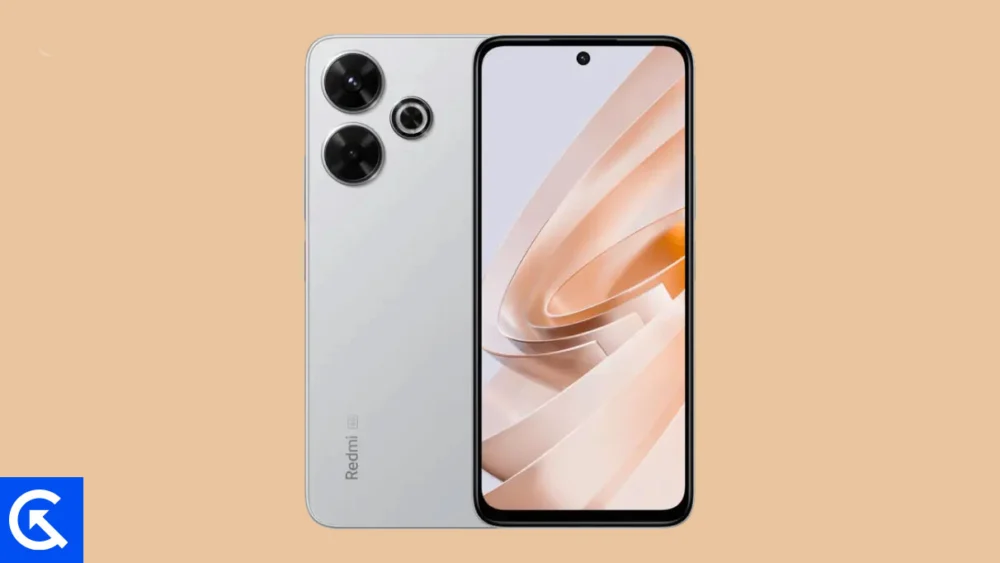
The landscape of mobile technology is defined by a constant tension between hardware longevity and software evolution. For users of the Xiaomi Poco M6 Plus 5G and its sibling, the Redmi 13 5G, this tension has reached a pivotal moment. While these devices were launched as robust mid-range contenders in mid-2024, the rapid release cycle of Google’s Android operating system often leaves budget-friendly hardware waiting months, if not years, for official updates. However, the developer community has once again bridged this gap. With the recent unveiling of Android 16 for the Pixel lineup, unofficial Android Open Source Project (AOSP) builds have surfaced, allowing owners of the Poco M6 Plus 5G and Redmi 13 5G to experience the future of mobile computing today.
The Poco M6 Plus 5G and Redmi 13 5G represent Xiaomi’s commitment to delivering high-end specifications at an accessible price point. Built around the efficient Qualcomm Snapdragon 4 Gen 2 chipset, these devices offer a sophisticated balance of power and thermal management. The hardware foundation is impressive for its class: a 6.79-inch IPS LCD panel capable of a 120Hz refresh rate ensures that the fluid animations of modern Android versions are rendered with precision. With configurations offering up to 8GB of RAM and a substantial 5030 mAh battery, the hardware is more than capable of handling the demands of Android 16’s updated architecture.
![How to Install Android 16 on Xiaomi Poco M6 Plus 5G / Redmi 13 5G [Download Link]](https://www.getdroidtips.com/wp-content/uploads/2024/09/Xiaomi-Poco-M6-Plus-5G.jpg)
Android 16 arrives not as a radical departure from its predecessor, but as a refined masterpiece of user interface design and system optimization. The cornerstone of this update is the introduction of "Material 3 Expressive." This design philosophy evolves the "Material You" concept introduced in previous iterations, moving toward a more tactile and visually responsive environment. Users will notice larger touch targets, bolder typography, and a sophisticated animation engine that makes the interface feel more organic. Beyond the aesthetics, Android 16 focuses heavily on under-the-hood enhancements, including improved thread scheduling and background process management, which are specifically beneficial for devices utilizing mid-range silicon like the Snapdragon 4 Gen 2.
For many enthusiasts, the transition from Xiaomi’s proprietary HyperOS to a clean, AOSP-based Android 16 ROM is motivated by a desire for a "Pure Android" experience. While HyperOS offers a wealth of features, it can occasionally feel heavy due to its deep integration of services and visual skinning. AOSP, by contrast, provides a lightweight, bloatware-free environment that allows the hardware to breathe. This often results in improved benchmark scores, better RAM management, and a more predictable battery discharge curve.
However, the path to installing a custom ROM is one paved with technical requirements and necessary precautions. The process begins with the foundational step of unlocking the bootloader. This is a security measure implemented by Xiaomi that prevents unauthorized software from being loaded onto the device. Unlocking the bootloader is a prerequisite for any modification, but it comes with the caveat of wiping all user data. Consequently, a comprehensive backup of photos, documents, and application data to a cloud service or external storage is the most critical preparatory step a user can take.
![How to Install Android 16 on Xiaomi Poco M6 Plus 5G / Redmi 13 5G [Download Link]](https://www.getdroidtips.com/wp-content/uploads/2024/09/Xiaomi-Poco-M6-Plus-5G-300x169.jpg)
Furthermore, the hardware-software handshake required for this installation necessitates the use of specialized tools. ADB (Android Debug Bridge) and Fastboot are command-line utilities that allow a computer to communicate directly with the smartphone’s internal partitions. These tools are essential for booting into the bootloader and flashing recovery environments. Speaking of recovery, the installation of TWRP (Team Win Recovery Project) is the second pillar of the process. TWRP acts as a sophisticated gateway, replacing the stock recovery with a touch-based interface capable of wiping system partitions and installing the compressed Android 16 ROM files.
Once the prerequisites are met—the bootloader unlocked, TWRP installed, and the battery charged to at least 50%—the actual installation can commence. The procedure involves several distinct phases. First, the device must be booted into TWRP recovery, where the user must perform a "Factory Reset" and wipe the Data, Cache, and Dalvik partitions. This ensures that no remnants of the previous operating system interfere with the new Android 16 architecture.
Following the wipe, the Android 16 ROM file is transferred to the device’s internal storage and flashed via the TWRP "Install" menu. It is important to note that most AOSP builds are "vanilla," meaning they do not include Google Mobile Services (GMS) out of the box. To access the Play Store, YouTube, and other Google services, users must flash a compatible GApps (Google Apps) package immediately after the ROM, without rebooting the device in between. This sequence is vital for ensuring that Google services are integrated into the system partition correctly.
![How to Install Android 16 on Xiaomi Poco M6 Plus 5G / Redmi 13 5G [Download Link]](https://www.getdroidtips.com/wp-content/uploads/2020/06/cmd-platform-tools.jpg)
After the flashing process is complete, the initial boot sequence may take several minutes. This is a standard occurrence as the new OS compiles its initial cache and sets up the file system. Once the device reaches the setup screen, users are greeted with the fresh, minimalist aesthetic of Android 16. It is highly recommended to spend the first few hours of usage monitoring for any potential bugs. While early ports for the Poco M6 Plus 5G and Redmi 13 5G have shown remarkable stability, with core functions like Wi-Fi, Bluetooth, and the 108MP camera sensor operating as expected, the nature of unofficial software means that minor regressions can occur. Developers rely on user feedback and detailed logs to identify and patch these issues in subsequent builds.
The 108MP primary camera on these devices is a particular point of interest. In many custom ROM scenarios, the transition away from stock software can result in a loss of proprietary image processing algorithms. However, the Android 16 builds for these Xiaomi devices often include support for Camera2 API, allowing users to install ported versions of the Google Camera (GCam) app. This often results in superior dynamic range and night-time performance, effectively leveraging the high-resolution hardware in ways that the stock software might not have fully explored.
Security is another vital consideration. While custom ROMs offer the latest security patches—often faster than official channels for older devices—unlocking the bootloader can affect certain security-sensitive applications. Financial apps that rely on Play Integrity or SafetyNet might require additional workarounds, such as the use of Magisk and specific modules, to function correctly. This is a trade-off that power users are generally comfortable with, but it is a factor that everyday users should weigh before proceeding.
![How to Install Android 16 on Xiaomi Poco M6 Plus 5G / Redmi 13 5G [Download Link]](https://www.getdroidtips.com/wp-content/uploads/2020/08/twrp-custom-rom.jpg)
In conclusion, installing Android 16 on the Xiaomi Poco M6 Plus 5G and Redmi 13 5G is more than just a software update; it is a revitalization of the hardware. It allows users to bypass the limitations of official update schedules and enjoy a cutting-edge, efficient, and highly customizable mobile environment. By following the rigorous steps of unlocking the bootloader, utilizing TWRP, and flashing the latest AOSP builds, owners of these devices can ensure their hardware remains relevant and high-performing well into the future. As the developer community continues to refine these builds, the Poco M6 Plus 5G and Redmi 13 5G stand as prime examples of how community-driven innovation can extend the lifecycle of modern smartphones, providing a premium software experience on affordable, capable hardware.
